Team Feedback Facilitation: Driving Collaboration and Trust

Over 60 percent of American workers say feedback from their teams directly influences their motivation and overall job satisfaction. In today’s fast-paced workplace, knowing how to facilitate productive team feedback can make or break success. This guide reveals principles and actionable strategies for American organizations to strengthen team dynamics, boost collaboration, and turn feedback into growth for everyone across the team.
Table of Contents
- Defining Team Feedback Facilitation And Key Principles
- Types Of Team Feedback Methods In Organizations
- How Feedback Sessions Improve Team Engagement
- Roles Of Managers In Facilitating Feedback
- Common Barriers And How To Overcome Them
- Adapting Feedback Facilitation For Virtual Teams
Key Takeaways
| Point | Details |
|---|---|
| Facilitation Principles | Effective team feedback relies on transparency, psychological safety, and intentional communication to foster open dialogue. |
| Feedback Methods | Utilizing a variety of feedback techniques like 360-degree reviews and anonymous surveys leads to improved team dynamics and accountability. |
| Managerial Role | Managers must create empowering environments for feedback, ensuring clear communication and modeling constructive behaviors. |
| Overcoming Barriers | Addressing psychological barriers and establishing safe feedback protocols can transform challenges into opportunities for growth. |
Defining Team Feedback Facilitation and Key Principles
Team feedback facilitation is a strategic process of guiding collective dialogue, insight generation, and performance improvement within organizational groups. At its core, it involves creating structured environments where team members can openly share observations, critique, and constructive recommendations. Personalized feedback mechanisms have emerged as powerful tools for enhancing team dynamics and collaborative effectiveness.
Key principles of effective team feedback facilitation center around transparency, psychological safety, and intentional communication. Teams require safe communication channels where members feel empowered to express perspectives without fear of retribution. This means establishing ground rules that prioritize respect, active listening, and constructive dialogue. Team-based learning approaches demonstrate that structured feedback processes can significantly improve group accountability and engagement.
Successful feedback facilitation involves several critical elements. These include:
- Creating a judgment-free environment
- Establishing clear communication protocols
- Developing consistent feedback frameworks
- Training team members in constructive dialogue techniques
- Implementing mechanisms for both individual and collective reflection
Ultimately, team feedback facilitation transforms communication from a potential source of conflict into a collaborative growth opportunity. By designing intentional processes that honor each team member's perspective, organizations can unlock higher levels of trust, mutual understanding, and collective performance.
Types of Team Feedback Methods in Organizations
Organizations employ multiple feedback methods to capture comprehensive insights into team performance and dynamics. 360-degree feedback represents a holistic approach where performance evaluations incorporate perspectives from colleagues, supervisors, and subordinates, providing a multi-dimensional view of an individual's contributions and potential areas for growth.
Another prominent feedback technique involves systematic employee surveys designed to gather anonymous insights about team engagement, morale, and collaborative effectiveness. These surveys create safe channels for team members to share candid observations without fear of personal repercussions. Structured survey methods allow organizations to collect quantitative and qualitative data that can inform strategic team development initiatives.
Key types of team feedback methods include:
- 360-degree performance reviews
- Anonymous employee engagement surveys
- Peer-to-peer feedback platforms
- Regular team retrospective meetings
- Quarterly performance check-ins
- Digital feedback collection tools
Effective organizations understand that no single feedback method is universally applicable. Successful team feedback strategies involve selecting and combining multiple approaches tailored to specific team cultures, objectives, and communication dynamics. Comprehensive team communication strategies can help teams design feedback mechanisms that promote transparency, trust, and continuous improvement.
How Feedback Sessions Improve Team Engagement
Team feedback sessions are powerful catalysts for organizational growth, transforming communication from a passive exchange to an active learning experience. Structured debriefing techniques can enhance team performance through intentional feedback mechanisms.
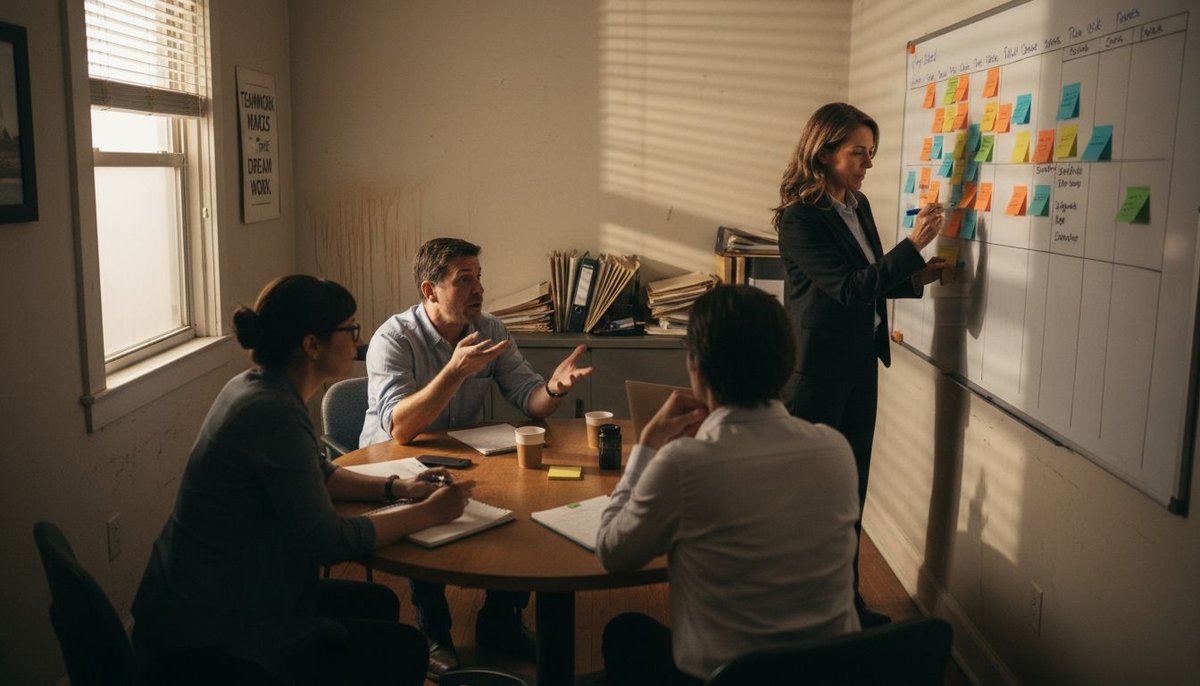
Engagement during feedback sessions increases when teams recognize these conversations as opportunities for mutual understanding rather than judgmental evaluations. Psychological safety becomes the cornerstone of productive dialogue, enabling team members to share insights, challenges, and innovative ideas without fear of negative consequences. By creating transparent communication channels, organizations can unlock deeper levels of collaborative potential and individual commitment.
Key strategies for improving team engagement through feedback sessions include:
- Establishing clear, respectful communication guidelines
- Encouraging equal participation from all team members
- Focusing on constructive, solution-oriented discussions
- Practicing active listening techniques
- Documenting actionable insights and follow-up steps
- Creating a culture of continuous learning and improvement
Effective feedback sessions go beyond mere performance reviews. Team participation strategies can transform these interactions into dynamic opportunities for personal and collective growth, ultimately driving organizational innovation and team cohesion.
Roles of Managers in Facilitating Feedback
Managers play a critical role in creating an environment where feedback becomes a constructive and transformative process. Team-based learning facilitation requires managers to design structured feedback mechanisms that promote open communication and continuous improvement.
Strategic feedback leadership involves more than simply conducting performance reviews. Managers must create psychological safety, actively listen, and guide conversations that reveal both individual and collective insights. Multi-source feedback systems demonstrate how managers can collect comprehensive perspectives that provide nuanced understanding of team dynamics and individual contributions.
Key responsibilities of managers in feedback facilitation include:
- Establishing clear communication protocols
- Modeling constructive feedback behaviors
- Creating safe and inclusive dialogue spaces
- Balancing critical observations with positive reinforcement
- Translating feedback into actionable development plans
- Maintaining confidentiality and trust
Ultimately, effective managers understand that feedback processes are not administrative tasks but strategic opportunities to build team cohesion, individual growth, and organizational resilience. By approaching feedback as a collaborative dialogue, managers can transform potential criticism into meaningful professional development.
Common Barriers and How to Overcome Them
Team feedback processes frequently encounter significant obstacles that can undermine their effectiveness and credibility. 360-degree feedback mechanisms often struggle with inherent challenges of subjectivity and perceived fairness, requiring sophisticated strategies to ensure meaningful and constructive dialogue.
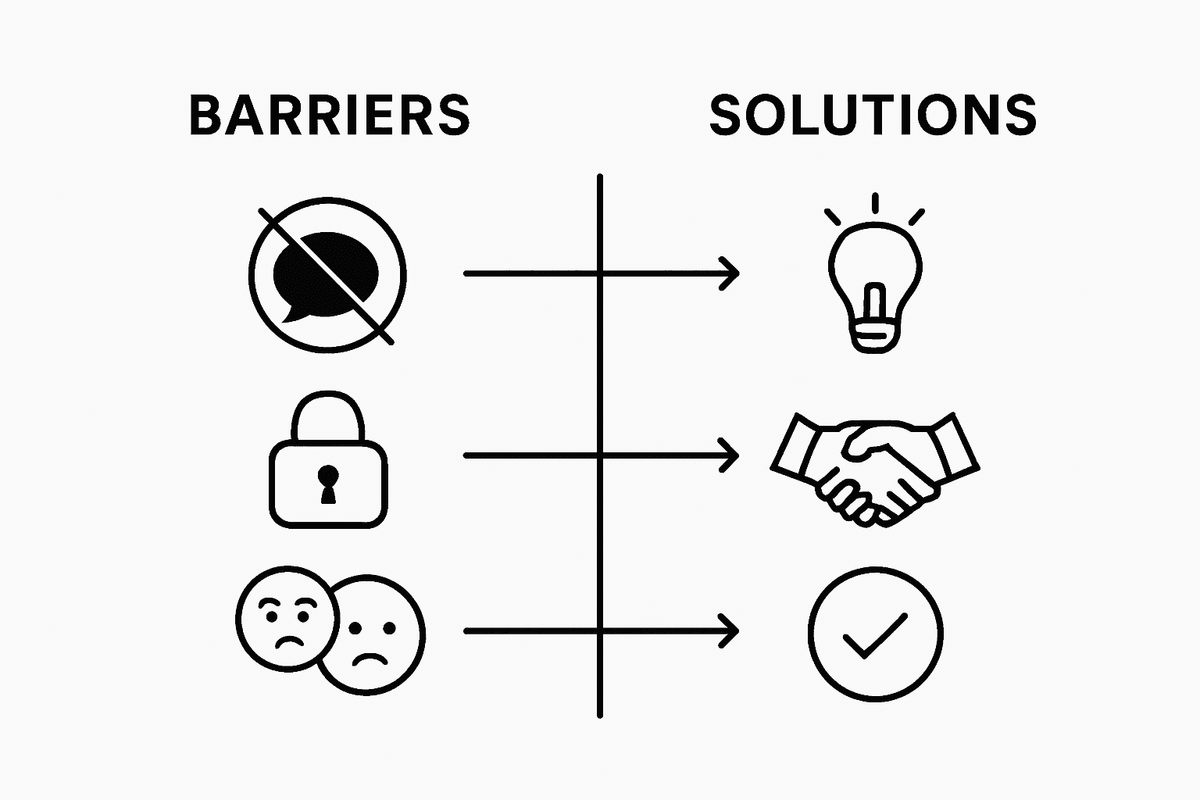
Psychological barriers represent the most complex challenges in feedback facilitation. Team members may feel vulnerable, defensive, or anxious about receiving critique, which can create resistance and shut down open communication. Structured debriefing approaches demonstrate that interactive, carefully designed feedback sessions can mitigate these emotional roadblocks by creating environments of mutual respect and collaborative learning.
Common feedback barriers and strategic solutions include:
- Fear of judgment
- Solution: Establish confidential, non-punitive feedback frameworks
- Lack of trust
- Solution: Build psychological safety through consistent, transparent communication
- Unclear communication protocols
- Solution: Develop and communicate clear, standardized feedback guidelines
- Potential bias in evaluation
- Solution: Implement multi-source feedback systems with diverse perspectives
- Resistance to change
- Solution: Connect feedback directly to personal and professional growth opportunities
Ultimately, overcoming team communication challenges requires a holistic approach that balances emotional intelligence with structured, intentional feedback mechanisms. Organizations that create safe, supportive environments can transform potential barriers into opportunities for meaningful dialogue and continuous improvement.
Adapting Feedback Facilitation for Virtual Teams
Virtual team feedback requires intentional design and specialized strategies to bridge digital communication gaps. AI-driven feedback mechanisms are transforming how distributed teams interact, providing nuanced insights that capture the complexity of remote collaborative environments.
Effective virtual feedback facilitation demands heightened attention to communication subtleties that can be lost in digital interactions. Technological mediation plays a critical role in creating meaningful connections, where teams must intentionally design communication protocols that compensate for the lack of physical proximity. Generative AI feedback systems demonstrate remarkable potential in analyzing interaction patterns and providing real-time, contextually relevant insights.
Key strategies for virtual feedback facilitation include:
- Establishing clear digital communication norms
- Utilizing multiple communication channels
- Implementing regular video check-ins
- Creating structured digital feedback templates
- Leveraging collaborative digital tools
- Encouraging async and synchronous feedback methods
- Maintaining consistent communication rhythms
Virtual team building strategies underscore the importance of creating intentional, technology-enhanced feedback environments that prioritize human connection and meaningful dialogue, transforming digital distance into an opportunity for deeper understanding and collaboration.
Enhance Team Trust and Collaboration with Interactive Feedback Facilitation
Effective team feedback facilitation revolves around creating a safe space for open dialogue, building psychological safety, and encouraging meaningful participation. This article highlights the challenges many organizations face when trying to foster honest communication and continuous improvement within teams. Addressing these pain points requires innovative solutions that go beyond traditional reviews and surveys.
At Quizado.com, we offer customizable team-building quiz experiences designed to engage every team member in interactive, enjoyable ways. By turning feedback sessions into dynamic game formats inspired by popular shows like Jeopardy and Family Feud, you can overcome barriers such as fear of judgment and lack of trust. Our platform supports diverse team configurations, remote and in-person play, and tools to boost equal participation and active listening.

Transform your team feedback into opportunities for trust and performance growth. Visit Quizado.com to explore how you can customize interactive quizzes that encourage open communication and strengthen team bonds. Experience firsthand how gamified feedback can revitalize your team environment and promote continuous learning. Start today and see the difference intentional engagement makes in your team's success.
Frequently Asked Questions
What is team feedback facilitation?
Team feedback facilitation is a strategic process that guides dialogue and performance improvement within teams, creating structured environments for team members to share observations, critiques, and recommendations openly.
What are the key principles of effective team feedback facilitation?
The key principles include transparency, psychological safety, and intentional communication, ensuring that team members feel safe to express their perspectives without fear of retribution.
How do feedback sessions improve team engagement?
Feedback sessions enhance team engagement by transforming communication into active learning experiences, creating an environment of mutual understanding and promoting psychological safety for open discussions.
What roles do managers play in facilitating team feedback?
Managers are crucial in creating a constructive feedback environment by establishing clear communication protocols, modeling constructive behaviors, creating safe dialogue spaces, and translating feedback into actionable development plans.
Host a quiz with your group
Find a hosting setup for your venue, company, classroom or activity group.

Bring your group together for a game
Try a free starter game, then choose the format and plan for your group.
Trusted by 5,000+ hosts