In this post+
Most American workplaces still underestimate the impact of team quizzes on collaboration and growth. While over 60 percent of American professionals participate in group activities, many see quizzes as trivial distractions. This misconception misses out on their hidden value for building trust, improving communication, and fostering stronger team relationships. Discover how thoughtfully designed quizzes can reshape your next team meeting and bring new energy to group problem solving.
Table of Contents
- Quizzes In Teamwork: Definition And Misconceptions
- Types Of Team-Based Quiz Experiences
- How Interactive Quizzes Foster Team Collaboration
- Key Features Enhancing Engagement And Inclusion
- Common Pitfalls And Maximizing Quiz Benefits
Key Takeaways
| Point | Details |
|---|---|
| Importance of Team Quizzes | Team quizzes serve as tools for team development, fostering communication, strategy, and relationship building beyond mere entertainment. |
| Types of Experiences | Diverse formats such as Academic Quiz Bowls and geographic competitions promote collaboration through structured group interactions. |
| Fostering Collaboration | Interactive quizzes enhance team cohesion and emotional connections, transforming competitive settings into collaborative learning environments. |
| Strategic Design and Inclusion | Effective quiz design must prioritize clarity and equitable participation to avoid dominance and ensure every member is engaged and valued. |
Quizzes in Teamwork: Definition and Misconceptions
Teamwork represents a strategic approach to collaborative problem solving where individuals unite their skills, perspectives, and efforts toward achieving shared objectives. At its core, teamwork is about creating synergy that transcends individual capabilities. Collaborative effort by groups hinges on interdependence, mutual trust, and effective communication.
Team Quizzes emerge as a powerful tool in this collaborative landscape, challenging common misconceptions about their role in professional environments. While many perceive quizzes as mere entertainment, they actually serve as sophisticated instruments for team development. These interactive experiences go beyond simple game mechanics, functioning as nuanced platforms for learning, assessment, and relationship building.
Contrary to popular belief, team quizzes are not just about winning or showcasing individual knowledge. They represent structured opportunities for group interaction, where participants learn to communicate, strategize, and support one another. Engaging quiz games online can transform seemingly competitive scenarios into collaborative experiences that strengthen interpersonal connections and organizational culture.
Understanding team quizzes requires recognizing their multifaceted nature. They are diagnostic tools that reveal team dynamics, communication patterns, and collective problem solving skills. By designing quizzes that require collective thinking and shared decision making, organizations can create microcosms of workplace collaboration, helping teams develop critical skills in a low-stakes, enjoyable environment.
Types of Team-Based Quiz Experiences
Team-based quiz experiences encompass a diverse range of interactive formats designed to challenge, educate, and unite groups through collaborative problem solving. Competitive academic quiz formats demonstrate how structured quiz environments can transform group interactions into dynamic learning opportunities. These experiences range from knowledge-based competitions to strategic problem solving challenges that test collective intelligence.
Several distinctive types of team quiz experiences emerge across different contexts. Academic Quiz Bowls represent one prominent format, where teams compete by rapidly answering questions across multiple disciplines. Unlike traditional individual quizzes, these experiences require teammates to communicate quickly, leverage individual strengths, and make split second strategic decisions. How to Host Engaging Quizzes for Teams highlights the importance of creating formats that promote genuine collaboration.
Geographic and subject specific quiz competitions offer another fascinating dimension of team based experiences. The World Geography Bowl exemplifies how specialized knowledge challenges can transform learning into an engaging team activity. These formats not only test factual understanding but also encourage deep interdisciplinary thinking and collective knowledge building.
Modern team quiz experiences extend beyond traditional academic settings, incorporating workplace training, corporate team building, and professional development scenarios. Interactive quiz formats now serve multiple purposes: assessing group skills, identifying team dynamics, fostering communication, and creating enjoyable learning environments that transcend conventional training methodologies. By designing flexible, inclusive quiz experiences, organizations can transform mundane assessment processes into powerful team building tools.
How Interactive Quizzes Foster Team Collaboration
Team Collaboration represents a complex dance of communication, shared understanding, and collective problem solving. Team-based learning techniques demonstrate how structured interactive experiences can transform group dynamics, turning individual contributions into powerful collaborative outcomes. Interactive quizzes serve as sophisticated mechanisms for breaking down communication barriers and creating shared mental frameworks.
At the core of collaborative quiz experiences are several key psychological and social mechanisms. Teams must simultaneously manage knowledge sharing, strategic decision making, and interpersonal dynamics. When participants engage in quiz challenges, they develop critical skills like active listening, constructive feedback, and collective reasoning. Team Activity Step by Step highlights how carefully designed quiz experiences can systematically improve group interaction patterns.

The collaborative potential of interactive quizzes emerges through multiple engagement layers. Participants must negotiate different perspectives, synthesize varied knowledge sources, and develop rapid communication strategies. Some quiz formats require teams to deliberate before answering, forcing members to articulate reasoning, challenge assumptions, and build consensus. This process mirrors real world workplace challenges, making quiz experiences powerful training grounds for effective teamwork.
Beyond skill development, interactive quizzes create emotional connections that strengthen team cohesion. Shared moments of triumph, strategic problem solving, and playful competition generate positive group memories. By designing quiz experiences that balance challenge with enjoyment, organizations can transform potential competitive scenarios into collaborative learning opportunities that enhance mutual understanding and team resilience.
Key Features Enhancing Engagement and Inclusion
Inclusive team experiences transform traditional quiz structures by deliberately designing interactions that welcome diverse participant backgrounds and learning styles. Cooperative learning strategies demonstrate how carefully crafted quiz formats can promote meaningful engagement across different skill levels and personal strengths. These approaches go beyond simple question and answer mechanics to create collaborative environments where every team member feels valued and heard.
At the core of engaging quiz experiences are multiple critical features. Designing effective quiz interactions requires implementing mechanisms that encourage active participation. Key elements include varied question types that appeal to different cognitive strengths, opportunities for collective decision making, and structured feedback processes that highlight individual contributions while emphasizing team achievements. This approach ensures that introverted and extroverted team members alike can find meaningful ways to participate.
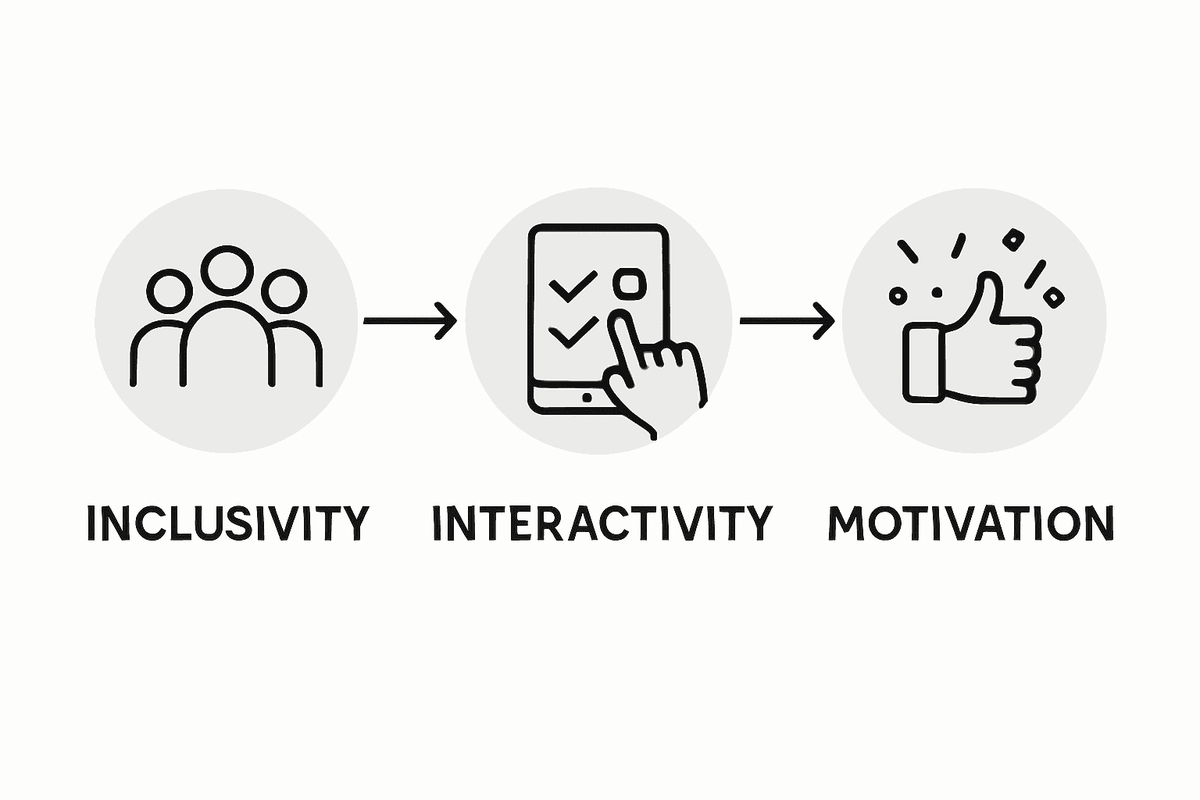
Technology and interactive design play pivotal roles in creating inclusive quiz experiences. Modern quiz platforms can incorporate adaptive difficulty levels, multilingual support, and accessibility features that accommodate different learning preferences and physical capabilities. By allowing teams to customize question sets, adjust time limits, and choose collaboration strategies, organizations can create quiz experiences that feel personalized and respectful of individual differences.
The most powerful engagement features transcend technical mechanics and tap into fundamental human motivations. Psychological safety becomes the cornerstone of truly inclusive quiz experiences. When teams feel secure in sharing perspectives, making mistakes, and learning collectively, quiz interactions transform from competitive assessments into collaborative growth opportunities. Understanding What is Inclusive Team Building underscores the importance of creating environments where every participant feels genuinely welcomed and empowered to contribute.
Common Pitfalls and Maximizing Quiz Benefits
Navigation of team quiz challenges requires strategic awareness of potential obstacles that can derail collaborative experiences. Common team dynamics challenges reveal that poor group interactions and underlying trust issues can significantly compromise quiz effectiveness. Recognizing these potential pitfalls becomes the first critical step in designing transformative quiz experiences that genuinely enhance team performance.
Strategic Quiz Design emerges as a fundamental mechanism for mitigating potential collaboration barriers. Thoughtful quiz development approaches emphasize creating questions that are clear, purposeful, and aligned with specific learning objectives. Organizations must carefully construct quiz experiences that balance challenge with achievability, ensuring participants feel motivated rather than overwhelmed. Avoiding ambiguous language, providing balanced difficulty levels, and creating questions that encourage collective reasoning can dramatically improve team engagement.
Psychological barriers represent another significant challenge in team quiz experiences. Dominant personalities might overshadow quieter team members, creating unintended hierarchies that undermine collaborative potential. Effective quiz design must intentionally create mechanisms that distribute participation equitably. This might involve implementing round-robin answer strategies, ensuring each team member has dedicated speaking time, or developing scoring systems that reward collective problem solving rather than individual performance.
Maximizing quiz benefits ultimately requires a holistic approach that transcends technical design. 7 Fun Ways to Engage with Quiz Questions underscores the importance of creating an environment of psychological safety. Teams perform best when they perceive quizzes as opportunities for growth rather than competitive assessments. By framing quiz experiences as collaborative learning adventures, organizations can transform potential sources of anxiety into powerful team development tools that strengthen interpersonal connections and collective problem solving capabilities.
Elevate Your Teamwork with Interactive Quizzes That Build Real Collaboration
The article highlights the challenge many organizations face in transforming quizzes from mere competitions into meaningful team-building experiences that boost communication, trust, and shared problem solving. If you want to overcome these hurdles and turn quiz time into an opportunity for genuine connection and team growth, quizado.com provides an ideal solution. Our platform empowers managers and teams to customize interactive quiz experiences that emphasize collaboration, creativity, and fun. With features like team configurations, branded visuals, and flexible play modes, you can create engaging moments that break down barriers and foster psychological safety.

Start enhancing team engagement and cohesion today by exploring the variety of team-building games available on our free time activities category. Discover how you can tailor quizzes to suit different group dynamics and work cultures while keeping the experience inclusive and motivating. Visit quizado.com now to download the software compatible with your operating system and begin designing quizzes that transform teamwork. For ideas on creating lasting emotional bonds through play, check out the insightful resources under emotions to inspire your next session.
Frequently Asked Questions
What are team quizzes and how do they benefit teamwork?
Team quizzes are structured interactive experiences designed to promote collaborative problem-solving and enhance team dynamics. They offer opportunities for team members to communicate, strategize, and support each other, ultimately strengthening interpersonal connections and organizational culture.
How can interactive quizzes enhance team collaboration?
Interactive quizzes foster team collaboration by breaking down communication barriers and requiring participants to share knowledge, engage in strategic decision-making, and practice active listening. This collaborative process mimics real-world workplace challenges and aids in developing critical team skills.
What features make quizzes engaging and inclusive for all team members?
Engaging quizzes are designed with varied question types, opportunities for collective decision-making, and feedback mechanisms that highlight both individual and team contributions. Incorporating technology for adaptive difficulty, multilingual support, and accessibility features also helps accommodate diverse learning preferences.
What common pitfalls should organizations avoid when designing team quizzes?
Organizations should be mindful of potential obstacles such as poor group dynamics and trust issues that can compromise quiz effectiveness. Intentional quiz design that promotes equitable participation and reduces the dominance of stronger personalities can help mitigate these challenges.
Recommended
Host a quiz with your group
Find a hosting setup for your venue, company, classroom or activity group.