7 Effective Virtual Holiday Team Building Activities

Getting your remote team in the holiday spirit can feel tough when everyone is scattered across countries and time zones. Virtual celebrations often fall flat and risk feeling disconnected or impersonal. You need activities that spark real connection, honor global diversity, and offer more than another plain video call. This list will help you turn your virtual holiday event into a memorable experience that engages every employee, no matter where they work. From creative team-building sessions to meaningful shared moments, you'll discover proven methods backed by Harvard Business Review and the Centre for Creative Leadership for boosting morale and genuine teamwork. Ready to uncover practical strategies and fresh ideas that your corporate team will actually enjoy? The solutions ahead bring your global group together in ways that truly matter this holiday season.
Table of Contents
- 1. Host a Festive Online Quiz Game Event
- 2. Organize a Virtual Gift Exchange
- 3. Plan a Themed Costume Video Call
- 4. Arrange Remote Team Cooking Classes
- 5. Launch a Collaborative Holiday Playlist
- 6. Run a Holiday-Themed Photo Contest
- 7. Create a Virtual Team Recognition Ceremony
Quick Summary
| Key Message | Explanation |
|---|---|
| 1. Host an Online Quiz Game | Engage remote teams with a festive quiz for friendly competition and camaraderie during the holidays. |
| 2. Organize a Virtual Gift Exchange | Create shared experiences by promoting connection through a structured holiday gift exchange among remote employees. |
| 3. Plan a Themed Costume Video Call | Utilize costumes to promote a relaxed atmosphere, enhancing authenticity and engagement in virtual meetings. |
| 4. Run a Holiday-Themed Photo Contest | Encourage creativity and connection through a fun photo contest that allows team members to share their holiday experiences. |
| 5. Create a Collaborative Holiday Playlist | Foster team spirit by allowing employees to contribute to a shared playlist that reflects global diversity and personal preferences. |
1. Host a Festive Online Quiz Game Event
Online quiz games transform your virtual holiday celebration into an engaging, interactive experience that brings your distributed workforce together. Unlike passive video calls, quiz events create natural opportunities for friendly competition, laughter, and meaningful team connection during the holiday season.
Why this matters comes down to engagement and inclusivity. Remote teams often struggle to build camaraderie when scattered across time zones and geographies. A festive quiz game solves this by creating a structured activity where everyone participates equally, regardless of personality type or background. Introverted employees enjoy the low-pressure format of answering questions, while competitive team members thrive on the scoring system. Research shows that intentional remote team activities significantly boost morale and strengthen connections across virtual environments, especially when tied to celebrations like the holidays.
The mechanics are straightforward but powerful. You select quiz questions relevant to your team, your company culture, or holiday themes. Participants join from their home offices or wherever they are during the holidays. Questions display on a shared screen, teams buzz in with answers, and points accumulate in real-time. The visual feedback, immediate scoring, and team dynamics create genuine excitement that pure socializing often lacks.
Here's what makes a festive online quiz game particularly effective for your corporate team. First, it requires no special equipment beyond what employees already have. Video conferencing software, a computer, and internet access are all you need. Second, the format accommodates global teams across multiple time zones because you run it synchronously with everyone participating together, creating a unified celebration moment. Third, quiz games cost significantly less than other holiday events while delivering comparable or superior engagement metrics.
Consider what you'll want to include in your quiz. Holiday-themed questions create seasonal atmosphere and keep the festive mood front-and-center. Company trivia reinforces internal knowledge and celebrates team wins from the year. General knowledge questions level the playing field so no single department dominates. Custom questions about team members or company inside jokes add personalization that resonates emotionally with participants.
The team structure matters too. Divide your workforce into small groups of 4-6 people ideally, ensuring diverse skill sets and personalities on each team. This prevents any single person from feeling pressured to carry the team while allowing quieter members to contribute comfortably. Assign a team captain to submit answers, but encourage collaborative discussion before responding. This approach builds genuine teamwork rather than individual heroics.
Pro tip: Set the quiz for 30 to 45 minutes maximum including breaks between question rounds, as this duration maintains energy and attention without causing video call fatigue among your participants.
2. Organize a Virtual Gift Exchange
A virtual gift exchange creates a tangible moment of connection and generosity during the holiday season, even when your team members are physically separated. Unlike passive holiday communications, a structured gift exchange gives employees something concrete to anticipate and participate in together.
Why this matters connects directly to how remote workers experience belonging. Holiday traditions anchor us emotionally, and when teams are distributed across locations, intentional activities fill the void that in-office celebrations naturally provide. A gift exchange signals that your organization values each team member enough to create a shared experience. The process itself becomes the bonding moment, not just the physical gift that arrives.
The foundation of a successful virtual gift exchange rests on clear planning and inclusivity. Start by establishing your budget per person, typically ranging from $15 to $30 depending on your company culture and financial comfort. Make this number public and non-negotiable so no one feels pressure to overspend or embarrassment about their contribution. Thoughtful coordination respecting cultural differences ensures participants feel genuinely included rather than obligated.
Timing and logistics require attention in virtual exchanges. Announce the exchange at least three weeks before your target gift delivery date, allowing time for shopping, shipping delays, and international mail considerations. Ask participants to provide their mailing addresses confidentially through a secure channel, not in public chat or email threads. This protects privacy and prevents uncomfortable situations where team members feel vulnerable sharing location information publicly.
The assignment method matters more than you might think. Use a randomized digital tool or have a neutral third party randomly assign gift givers to recipients rather than letting people self-select. This prevents cliques and ensures true randomization. Most importantly, explicitly forbid Secret Santa assignments where someone gets their own name or their direct manager or close colleague. These combinations undermine the cross-team connection that makes the exchange valuable.
Consider cultural and religious diversity when designing your exchange. Some team members may not celebrate Christmas or prefer not to participate in gift giving for various reasons. Make participation genuinely optional with zero social pressure, and offer alternative holiday activities for non-participants. A colleague might prefer a donation to charity in their name, or they might simply enjoy the holiday party without gift giving. Respect these preferences completely.
The reveal moment creates memorable impact. Schedule a virtual meeting where everyone can open their gifts simultaneously on camera. This shared moment of surprise and gratitude builds connection far more effectively than gifts arriving silently at people's homes. Encourage gift givers to remain anonymous until the recipient guesses, adding a fun interactive layer. People naturally smile and laugh during this activity, releasing genuine positive emotion.
Budget considerations deserve special attention for global teams. Employees in high cost-of-living areas might struggle with $20 while those in lower cost regions feel the same amount is excessive. One solution involves tiered budgets based on geographic location or role level, clearly communicated as a standard company practice. Another approach uses a lower flat budget that feels universally manageable. Be transparent about your choice and reasoning.
Pro tip: Set a reasonable deadline for gift shipment confirmation and require senders to upload tracking information one week before the reveal date, preventing last-minute stress and ensuring everyone receives their gift before the celebration.
3. Plan a Themed Costume Video Call
A themed costume video call transforms an ordinary meeting into a memorable celebration where your team shows personality and creativity. By establishing a fun dress code theme, you instantly shift the energy from purely professional to playful and human.
Why this approach works comes down to psychology and connection. When people step outside their standard work appearance, they mentally give themselves permission to be more relaxed and authentic. This shift happens because costumes create psychological distance from job titles and hierarchies. A director dressed as a superhero and an entry-level coordinator dressed as a detective suddenly exist on more equal social footing. The costume becomes an equalizer that dissolves some of the formality that typically characterizes corporate interactions. Setting a festive dress code theme creates an informal atmosphere where people naturally loosen up and engage more authentically with colleagues.
The practical implementation requires thoughtful planning to ensure genuine participation rather than anxiety. Start by choosing a theme that resonates with your company culture and the season. Holiday themes work perfectly for December celebrations, but you could also choose decade parties, fictional characters, professions, or color-based themes. The theme should feel flexible enough that people can participate at varying comfort levels. A movie character theme allows someone to wear normal clothes with a simple accessory versus requiring an elaborate costume.
Communicate the theme clearly at least two weeks in advance. Include examples of what qualifies as participation so people understand the range of acceptable costumes. Someone might create an elaborate outfit while another colleague simply wears red and calls themselves a cardinal. Both approaches are equally valid. Be explicit that participation is completely optional. Some employees may feel uncomfortable with costumes for cultural, religious, or personal reasons, and that must be respected without question or social pressure.
Budget considerations matter when you expect people to purchase or create costumes. Many employees can assemble something from their existing wardrobe at zero cost. Others might need to buy items. If your organization expects elaborate costumes, allocate a small costume budget or reimbursement amount per person. This removes financial barriers and signals that you value their participation enough to support it.
The call itself should include dedicated time for costume recognition and celebration. Start the meeting 10 minutes early to allow people to show off their outfits, explain their choices, and laugh together before diving into business matters. You might ask a few voluntary sharers to briefly explain who or what they are dressed as. This isn't mandatory but creates fun moments of genuine connection. Someone's creative interpretation or hilarious execution becomes a shared memory that teams reference for months afterward.
Consider technical aspects of your video platform. Ensure good lighting so costumes display well on camera. Test your setup beforehand to confirm that camera angles and resolution showcase the effort people put into their outfits. A dark, pixelated video call defeats the purpose of having people costume themselves when no one can actually see the details.
Themed costume calls work best when they feel genuinely optional and when your leadership participates visibly. When the CEO or department head shows up in costume, it signals that this activity has organizational blessing and that people won't face subtle consequences for participating.
Timing your event strategically amplifies impact. Schedule costume calls during natural celebration windows like the holiday season rather than random Tuesdays. People mentally prepare for holiday festivities, making costume participation feel contextually appropriate. The seasonal connection also ensures the activity lands emotionally as part of a broader celebration rather than feeling randomly inserted.
Pro tip: Allow people to submit photos of their costumes in advance to a shared channel if they feel camera-shy during the live call, ensuring everyone can participate in the fun even if they prefer not to be on video in their outfit.
4. Arrange Remote Team Cooking Classes
Remote team cooking classes bring people together around a universal human activity that transcends job titles and departments. Unlike passive video calls, cooking classes demand active participation, creative thinking, and real-time collaboration from every attendee.
Why cooking works as a team-building activity taps into something deeper than typical corporate exercises. Food preparation is inherently social. People have cooked together for thousands of years, and that instinct remains hardwired into human psychology. When your team cooks together virtually, they engage sensory experiences beyond the screen, making the activity feel more tangible and memorable. The shared vulnerability of following instructions together, making mistakes, and celebrating successes creates genuine bonding. Research demonstrates that experiential cooking activities foster positive attitudes and encourage teamwork in ways that passive events cannot match.
The practical structure requires thoughtful preparation to succeed across distributed locations. Select a professional cooking instructor who has experience with virtual formats and can adapt their teaching style for participants at home. The instructor should demonstrate techniques clearly while managing the pacing so people at varying skill levels stay engaged. Simple recipes work better than complex ones for virtual settings because participants need to keep up without becoming frustrated. A holiday themed meal like handmade pasta, festive cookies, or a seasonal appetizer connects to your holiday celebration while remaining achievable for home cooks.
Logistics deserve careful attention. Send ingredient lists to all participants at least one week before the class with suggestions for where to source items, including budget friendly options. Some companies mail prepared ingredient kits to employees ahead of time, eliminating shopping barriers and ensuring everyone has exactly what they need. This approach requires investment but dramatically increases participation rates, especially among time constrained employees or those with limited grocery access.
Camera setup matters significantly for the cooking experience. Ask participants to position their cameras to show their workspace and hands so the instructor can observe techniques and provide real time feedback. A document camera or phone propped above the workspace works better than a face level camera position. The instructor should similarly show their hands and workspace clearly for demonstration purposes. Professional virtual cooking setup considerations include breakout room features that allow small group interaction and peer learning rather than purely instructor-to-audience format.
Timing your cooking class strategically enhances engagement. A 90-minute session works well, allowing time for introduction, recipe instruction, hands-on cooking, and casual conversation. Scheduling it during a natural break point in your workday like lunch time or late afternoon creates a natural transition out of regular work. Holiday themed cooking classes work especially well in November and December when people have seasonal recipes on their minds.
Budget considerations vary widely depending on your approach. Working with a professional instructor typically costs several hundred dollars for a group session. Some companies charge participants a small fee to cover ingredient kits, while others absorb the full cost as a team-building investment. The ingredient kit approach typically ranges from $25 to $50 per person depending on recipe complexity and your region.
After the class concludes, encourage people to share photos of their finished dishes in a dedicated channel. This extends the bonding moment beyond the live event and creates visual memories of the experience. Some teams create a digital cookbook of recipes from throughout the year, turning individual cooking classes into an ongoing cultural artifact.
Pro tip: Choose recipes that yield results participants can actually consume within 30 minutes of finishing the class, so people feel immediate satisfaction from their effort rather than waiting hours for items to bake or cool.
5. Launch a Collaborative Holiday Playlist
A collaborative holiday playlist transforms background music into an active team participation experience where every employee has a voice. Rather than playing generic holiday music in the background, you invite your team to collectively build the soundtrack for your virtual celebrations.
Why this approach resonates deeply connects to ownership and representation. When people contribute their own song choices, they feel seen and valued by the organization. Music preferences reveal personality, culture, and taste in ways that job descriptions never capture. By inviting your distributed team to shape the playlist together, you acknowledge that they bring their whole selves to work, not just their professional competencies. This simple act of contribution creates meaningful connection across geographies and departments. Creating shared experiences through collaborative activities like playlist building increases informal interaction and cultural awareness within virtual teams.
The implementation is straightforward yet surprisingly powerful. Choose a collaborative music platform like Spotify, Apple Music, or YouTube Music that allows multiple people to add songs to the same playlist. Create a shared playlist titled something seasonal like "Our Holiday 2024" or "Team Celebrations Playlist." Set an open contribution window, typically two to three weeks before your holiday event, giving people time to think about their selections without feeling rushed.
Communicate clear guidelines about acceptable contributions. Most teams benefit from allowing both holiday themed songs and general celebration music that people love. This flexibility prevents the playlist from becoming monotonous while keeping a festive feel. Specify any content boundaries your organization has regarding language or themes. Make it clear that all contributions are welcome and that the playlist celebrates diverse musical tastes rather than reflecting one dominant preference.
Consider setting a contribution goal, like asking each team member to add between 2 and 4 songs. This ensures reasonable coverage and prevents a few people from dominating the selection. Alternatively, encourage participation without a strict requirement, knowing that some team members feel more comfortable contributing than others. Both approaches work depending on your company culture and team size.
The real magic happens when you play the playlist during your holiday events and celebrations. As songs shuffle through, people hear music they personally selected alongside surprising choices from colleagues they rarely interact with. This creates natural conversation starters. Someone might ask "Did you really choose this song?" and suddenly a financial analyst and a marketing specialist are sharing stories about their musical preferences and life experiences. These small moments of genuine connection accumulate into stronger team relationships.
Document the playlist as a cultural artifact. Many organizations save their collaborative playlists year after year, creating a chronological record of their team's collective taste and personality. Returning to last year's playlist becomes a fun tradition that reminds people of team members who have moved on and celebrates continuity.
Budget considerations are minimal since most streaming services already exist in your organization. If your company doesn't have access to collaborative platforms, affordable options like public YouTube playlists or free Spotify accounts work perfectly. The investment is primarily time and organizational energy rather than financial resources.
For global teams with diverse time zones and cultural backgrounds, collaborative playlists offer something special. They acknowledge that your team spans different continents and musical traditions while creating unified space. An employee in Tokyo contributes a holiday song from their childhood, while someone in Toronto adds their favorite winter track. The playlist becomes a reflection of your organization's geographic diversity and cultural richness.
Pro tip: Create a shared note or spreadsheet where contributors can explain why they chose each song, turning the playlist into a storytelling experience that adds emotional depth and connection beyond the music itself.
6. Run a Holiday-Themed Photo Contest
A holiday-themed photo contest invites your distributed team to showcase their creativity while celebrating the season through visual storytelling. Unlike passive team activities, photo contests actively engage people's artistic perspectives and spark conversations around shared themes.
Why photo contests work as team-building tools comes down to creativity and personal expression. Photography allows people to share their world beyond work without oversharing personal information. Someone might submit a photo of holiday decorations in their home, winter landscapes from their region, or creative interpretations of holiday traditions. These images reveal personality and culture while maintaining appropriate professional boundaries. The contest format adds friendly competition and recognition that motivates participation. People naturally want to see how their peers interpreted the theme and which submissions others voted for.
The setup requires thoughtful planning to ensure fairness and inclusivity. Start by defining your contest theme clearly. "Holiday Celebrations Around the World" invites diverse cultural representations. "Winter Wonders" works for teams across different climate zones. "Holiday Moments with Team" encourages submissions featuring colleagues or team activities. Your theme shapes what people submit, so choose something broad enough that most team members can participate regardless of location or circumstances.
Establish clear submission guidelines that protect both the contest integrity and participants. Require photos to be original work taken by the contestant rather than downloaded images. Specify technical requirements like minimum resolution if you plan to display winning photos. Set submission deadlines at least two weeks away to give people adequate time. Clarify whether photos can be edited or filtered, and whether they must feature people or can be purely landscape or still life. These details prevent confusion and disputes later.
Determine how you will judge entries fairly. Photo contest judging criteria typically include originality, technical quality, and creativity. Establish whether you want peer voting where team members vote for their favorites, or a judges panel that selects winners based on predetermined criteria. Peer voting creates engagement because everyone participates in evaluating submissions. A judges panel ensures consistency and prevents potential popularity contests. Many organizations use both methods, combining peer voting with judges' selections to create multiple winners in different categories.
Prize selection should feel meaningful without being expensive. Holiday themed prizes work well, like gift cards, premium coffee or tea collections, or company branded items with holiday flair. Some organizations offer non-monetary prizes like reserved parking spots, flexible schedule privileges, or recognition in company communications. The prize value matters less than the recognition and celebration of winning submissions.
Create a display platform for entries. If your company has an internal communication platform, create a dedicated channel or folder. Alternatively, use free tools like Google Photos albums, Dropbox shared folders, or even a simple email thread if your team is small. The display method should be easy for everyone to access and view submissions without technical barriers. This visibility amplifies the excitement and encourages people to see what others submitted.
Build in time for the voting or judging phase. Allow at least one week for people to view submissions and vote if using peer voting. This gives everyone opportunity to participate regardless of work schedules or time zones. If using a judges panel, conduct judging privately and then announce results with fanfare.
Photo contests build psychological safety because they celebrate creative expression that exists outside job performance. When someone's photography wins recognition, they experience professional acknowledgment for something deeply personal, strengthening their connection to the team culture.
Announce winners prominently and celebrate submissions generously. Feature winning photos in your holiday event, company communications, or office displays if you have physical spaces. Thank all participants for contributing, emphasizing that every submission added something valuable to the contest. Some organizations create a company calendar featuring winning photos from throughout the year, providing ongoing recognition and visibility.
For global teams, photo contests celebrate geographic and cultural diversity visually. An employee in Singapore submitting a tropical holiday scene and one in Minnesota submitting a snowy landscape together illustrate your team's worldwide presence. This visual diversity becomes a celebration of who your organization actually is.
Pro tip: Require contestants to include a brief caption explaining their photo's story or inspiration, transforming the contest from purely visual to narrative based and deepening the connection team members feel when viewing submissions.
7. Create a Virtual Team Recognition Ceremony
A virtual team recognition ceremony transforms individual achievements into collective celebrations that reinforce your organizational values and strengthen team bonds. Unlike informal acknowledgments in emails or quick Slack messages, a structured ceremony creates a memorable moment that honors contributions meaningfully.
Why recognition ceremonies matter goes beyond simply saying thank you. When achievements receive public acknowledgment in a thoughtfully designed ceremony, the recognition carries psychological weight that internal motivation research confirms is essential for engagement and retention. People remember being celebrated publicly far longer than they remember a private compliment. The ceremony format signals that your organization takes these accomplishments seriously enough to dedicate structured time and resources to honoring them. For remote teams, this becomes even more critical because distributed work can feel isolating, and public recognition provides a tangible sense of belonging and value.
The foundation of an effective virtual ceremony starts with clear recognition criteria and planning. Identify which achievements you want to celebrate. These might include individual performance milestones like exceeding sales targets or launching successful projects. They might recognize collaborative achievements like cross-functional team wins. Holiday season ceremonies often include "Employee of the Year" awards or "Spirit of Collaboration" recognitions that capture the year's accomplishments. Intentional recognition ceremonies help maintain motivation and engagement while reinforcing positive behaviors and strengthening team culture across remote work environments.
Schedule your ceremony during a time when maximum team members can attend. Avoid early mornings for globally distributed teams on the wrong side of time zones. A mid-afternoon time in a geographically central time zone often works best, or schedule multiple ceremony sessions at different times if your team spans significant time differences. The calendar invite should signal importance by blocking 60 to 90 minutes and naming it as an official organizational event rather than a casual meeting.
Prepare your technical setup thoughtfully. Test your video platform's features before the ceremony. Many platforms offer spotlight functions that highlight specific people, virtual backgrounds with your company branding, and the ability to pin participants during their recognition moment. Use these features to create visual emphasis that makes the recognition feel polished and professional. Consider having a co-host or emcee who manages transitions while you present awards, creating a more dynamic presentation.
Prepare personalized remarks for each person being recognized. Generic statements feel empty and hollow. Instead, reference specific accomplishments, behaviors, or characteristics that made someone worthy of recognition. If someone won a customer service award, mention the specific customer situation they handled excellently. If recognizing a team project, describe the challenge faced and how this person's contributions made the difference. Personalization demonstrates that the recognition reflects genuine observation rather than bureaucratic obligation.
Create visual elements that enhance the ceremony experience. Digital certificates or badges that people can screenshot and share on personal social media extend the recognition beyond the meeting. Some organizations commission graphic designs featuring the award name, recipient, and achievement, creating professional looking credentials. Others use animated reveals that build anticipation as achievements are announced. These visual touches matter because they create something tangible from the ceremony that people retain.
Incorporate peer recognition if your organization culture supports it. Ask team members to prepare brief testimonials about their colleagues being honored. These can be video clips submitted beforehand or live comments during the ceremony. Hearing recognition from peers often lands more powerfully than top-down management acknowledgment because it reflects genuine regard from people who work directly with the recipient. This approach also deepens engagement for the entire audience as they contribute to the celebration.
Consider giving physical tokens of appreciation alongside virtual recognition. Holiday-themed gifts, company branded items, or gift cards sent to people's homes create a multi-sensory recognition experience. When someone receives a gift package with a certificate inside during the same week they are publicly honored in a ceremony, the impact multiplies. The gift becomes a physical reminder of their value to the organization.
Make the ceremony accessible for employees with diverse needs. Provide captions for people with hearing differences. Allow people to have cameras off if they prefer not to be on video during their recognition moment. Some people experience genuine anxiety about being spotlighted, and forcing participation actually diminishes the recognition rather than enhancing it. Asking recipients beforehand whether they want to share remarks or prefer brief acknowledgment respects individual preferences while maintaining celebratory impact.
Record the ceremony if privacy allows so people can share it with family members or revisit the moment later. This extends the recognition's impact beyond the live event and creates organizational documentation of accomplishments and values.
Close the ceremony with genuine gratitude. Thank everyone for their participation and contributions throughout the year. Acknowledge that remote work requires intentional connection, and that ceremonies like this help teams feel genuinely connected despite physical distance. This framing positions the ceremony as part of your organization's commitment to treating remote employees with the same care and celebration you would offer in-person teams.
Pro tip: Schedule your recognition ceremony during your holiday season's opening event rather than as a separate meeting, maximizing attendance and creating momentum for other celebrations to follow.
Below is a comprehensive table summarizing key ideas and guidance presented in the article regarding engaging virtual holiday activities for remote teams.
Elevate Your Virtual Holiday Team Building with Customized Quiz Games
Bringing your distributed team together during the holidays can be challenging. The article highlights common struggles like maintaining engagement, inclusivity, and creating meaningful moments despite distance. If you want to overcome barriers like video call fatigue and lack of interactive opportunities online a festive online quiz game is the perfect solution. These events create excitement through friendly competition while accommodating diverse personalities and time zones.
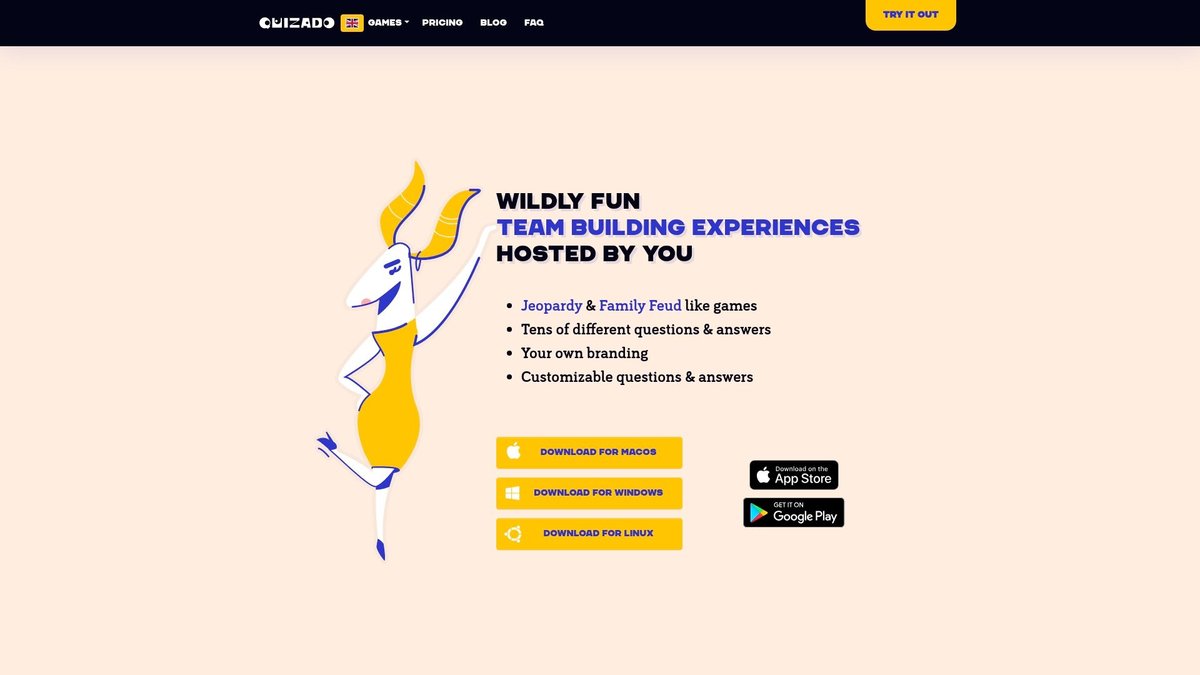
Discover how workplace team-building quizzes from Quizado.com transform your virtual holiday party into an unforgettable experience. With customizable content, seamless remote control, and options to brand your game to reflect company culture you can foster authentic connection and laughter effortlessly. Join thousands of organizations that use Quizado to build stronger teams through play. Start creating your own interactive quiz today at https://quizado.com and make this holiday season the most engaging yet.
Frequently Asked Questions
What are some effective virtual holiday team building activities?
Engaging activities include hosting an online quiz game, organizing a virtual gift exchange, planning a themed costume video call, arranging remote cooking classes, launching a collaborative holiday playlist, running a photo contest, and creating a virtual team recognition ceremony. Choose activities that resonate with your team’s culture and interests.
How can I plan a successful virtual gift exchange?
To plan a virtual gift exchange, set a clear budget, announce the event at least three weeks in advance, and collect mailing addresses confidentially. Use a randomized method to assign gift givers to recipients and ensure participation is optional, respecting different cultural practices.
What steps should I follow to host an online quiz game?
Start by selecting engaging questions that relate to your team or holiday themes. Divide participants into small teams, set up a video conferencing platform, and keep the game duration between 30 to 45 minutes for maximum engagement. Encourage team discussions and friendly competition throughout.
How do I organize a themed costume video call?
Choose a fun theme and communicate it clearly at least two weeks in advance. Suggest acceptable costume styles and emphasize that participation is optional to ensure everyone feels comfortable. Schedule time for costume recognition during the call to foster interaction and celebrate creativity.
What is the best way to facilitate a holiday-themed photo contest?
Define a clear theme and submission guidelines for the photos, specifying any technical requirements and deadlines. Use peer voting or a judges panel to select winners, ensuring the contest feels fair and inclusive, and offer prizes that celebrate participation.
How can I create a virtual team recognition ceremony?
Identify the achievements you wish to recognize and schedule the ceremony when most team members can attend. Prepare personalized remarks and use visual elements to celebrate the honorees. Consider featuring peer testimonials and send physical tokens of appreciation for a more impactful recognition experience.
Turn these ideas into a team event
Prepare an office quiz or remote game with a shared screen, phone participation and a host on your team.

Bring your group together for a game
Try a free starter game, then choose the format and plan for your group.
Trusted by 5,000+ hosts