How to Facilitate Hybrid Teams for Seamless Collaboration

More than 60 percent of American hybrid teams report communication breakdowns as a leading barrier to productivity. As organizations blend remote and in office roles, understanding team dynamics and choosing the right collaboration tools are more important than ever. This guide highlights practical steps that help American companies improve connection, foster teamwork, and drive better results in any hybrid work environment.
Table of Contents
- Step 1: Assess Team Dynamics And Communication Tools
- Step 2: Set Clear Goals And Engagement Guidelines
- Step 3: Integrate Interactive Platforms For Collaboration
- Step 4: Coordinate Engaging Team-Building Activities
- Step 5: Evaluate Team Performance And Gather Feedback
Quick Summary
| Key Insight | Explanation |
|---|---|
| 1. Assess Team Communication | Analyze current communication patterns to identify areas for improvement in your hybrid team. |
| 2. Establish Clear Guidelines | Develop measurable goals and expectations that apply to all team members, improving alignment and accountability. |
| 3. Limit Communication Tools | Select 2-3 core communication platforms to avoid overwhelming the team and ensure effective collaboration. |
| 4. Design Inclusive Activities | Create engaging team-building activities that accommodate both in-person and remote participants for better relationships. |
| 5. Implement Constructive Feedback | Use feedback as a growth tool, ensuring psychological safety, while recognizing diverse communication styles and collaboration needs. |
Step 1: Assess Team Dynamics and Communication Tools
Assessing team dynamics and communication tools is crucial for creating a seamless hybrid work environment. By understanding how your team interacts and identifying the right technological support, you can significantly improve collaboration and productivity.
Start by analyzing your team's current communication patterns. This involves examining how team members currently share information, resolve conflicts, and collaborate across different work settings. Research utilizing AI technologies suggests that advanced tools can help teams automatically identify interaction strengths and areas needing improvement. Look for communication gaps between remote and in office workers, noting frequencies of misunderstandings or delays in information sharing.
When evaluating communication tools, prioritize platforms that support multiple interaction modes. Virtual communication channels play a critical role in building effective relationships within multinational hybrid environments. Select tools that offer real time messaging, video conferencing, collaborative document editing, and project tracking. Ensure these platforms integrate smoothly and provide clear communication pathways for all team members regardless of their physical location.
A quick warning about tool implementation: dont introduce too many platforms simultaneously. This can overwhelm your team and create more confusion. Select 2-3 core tools that cover essential communication needs and provide comprehensive training to ensure smooth adoption.
Once youve assessed your team dynamics and selected appropriate communication tools, youre ready to establish clear communication protocols and expectations for your hybrid team.
Step 2: Set Clear Goals and Engagement Guidelines
Setting clear goals and engagement guidelines is essential for driving productivity and maintaining team alignment in hybrid work environments. This step helps create a unified vision and establishes expectations that bridge the communication gaps between remote and in office team members.
Transparent communication processes are fundamental to successful hybrid team management. Start by developing specific measurable objectives that apply equally to all team members regardless of their location. Outline precise performance indicators, expected response times for communications, and specific collaboration protocols. These guidelines should clearly define how team members will interact professionally document their work and maintain accountability.
Adaptive feedback mechanisms play a critical role in maintaining team cohesion. Design a structured feedback system that provides regular opportunities for team members to share insights discuss challenges and propose improvements. This approach ensures everyone feels heard and contributes to continuous team development. Consider implementing quarterly review sessions monthly check ins and anonymous suggestion channels to gather comprehensive team input.
A key warning when establishing guidelines avoid micromanagement. Your goal is to create a framework that empowers team members not restricts their creativity and autonomy. Focus on outcomes and collaborative processes rather than monitoring every minute detail of work.
With clear goals and engagement guidelines established your hybrid team now has a solid foundation for effective collaboration and mutual understanding.
Step 3: Integrate Interactive Platforms for Collaboration
Integrating interactive platforms is crucial for creating a dynamic and connected hybrid work environment. This step focuses on selecting and implementing digital tools that enable seamless communication and collaboration across different work settings.

Advanced communication interventions have shown remarkable potential in enhancing team interactions. Choose platforms that go beyond basic messaging and video conferencing by offering features that promote authentic socio emotional exchanges. Look for tools that facilitate perspective taking and encourage meaningful team connections. These might include interactive whiteboards collaborative document editing spaces virtual team building game rooms and platforms with integrated feedback mechanisms.
Machine learning insights into team communication reveal the importance of understanding conversational dynamics. Select platforms that provide analytics on team interaction patterns helping you identify potential communication bottlenecks. Prioritize tools that offer features like conversation tracking team engagement metrics and insights into collaboration effectiveness. These advanced features can help you continuously improve your teams communication strategies.
A critical warning when integrating platforms avoid tool overload. Too many communication channels can create confusion and reduce productivity. Aim to consolidate your digital collaboration tools to 2-3 core platforms that comprehensively meet your teams communication and project management needs.
With interactive platforms strategically integrated your hybrid team now has a robust digital infrastructure to support seamless collaboration and communication.
Step 4: Coordinate Engaging Team-Building Activities
Coordinating engaging team-building activities is essential for maintaining group cohesion and enhancing communication in hybrid work environments. This step focuses on designing interactive experiences that bridge physical distances and create meaningful connections among team members.
Research on remote work dynamics highlights the critical importance of intentional team-building strategies. Design activities that accommodate both in person and virtual participants ensuring equal opportunities for interaction and engagement. Create experiences that mix communication styles skill demonstration and collaborative problem solving. Consider virtual trivia games interactive online workshops competitive team challenges and collaborative creative projects that allow team members to showcase their unique talents and learn about each other beyond work roles.
When planning team-building activities focus on diversity and inclusivity. Select activities that cater to different personality types physical abilities and communication preferences. Rotate activity formats to keep experiences fresh and exciting. Include options for both synchronous and asynchronous participation allowing team members flexibility while maintaining overall team connection.
A key warning avoid mandatory participation. While team-building activities are valuable they should feel like opportunities for connection not additional work pressure. Always provide clear opt out options and gather feedback to continuously improve your approach.
With thoughtfully coordinated team-building activities your hybrid team will develop stronger relationships improve communication and create a more supportive work environment.
Step 5: Evaluate Team Performance and Gather Feedback
Evaluating team performance and gathering feedback is crucial for continuously improving hybrid team dynamics and collaboration effectiveness. This step helps you understand your teams strengths challenges and potential areas for growth.
Comprehensive team communication measurement requires a multidimensional approach. Develop assessment frameworks that capture various communication behaviors including focused interaction knowledge sharing and spontaneous collaboration. Design surveys and evaluation tools that provide both quantitative metrics and qualitative insights. Use a mix of anonymous feedback forms structured interviews and performance tracking metrics to gain a holistic understanding of team functionality.
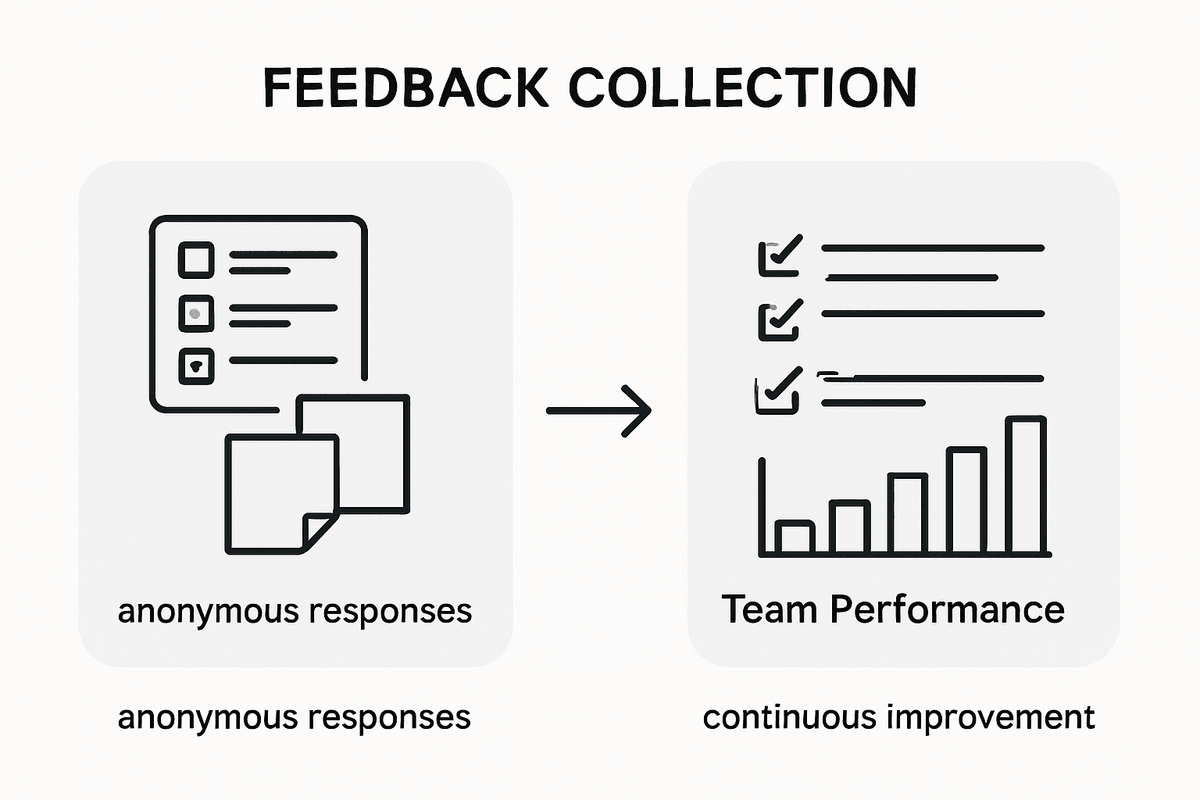
Virtual collaboration effectiveness research suggests using nuanced evaluation strategies that account for individual differences. Create assessment processes that recognize diverse collaboration styles and account for potential gender communication variations. Implement periodic review sessions that allow team members to share perspectives reflect on collective performance and propose improvement strategies.
A critical warning avoid using performance evaluations as punitive measures. Frame feedback as a constructive opportunity for growth and mutual understanding. Ensure psychological safety by emphasizing that the goal is team improvement not individual criticism.
With a robust performance evaluation and feedback gathering approach your hybrid team will continuously adapt evolve and strengthen its collaborative capabilities.
Boost Hybrid Team Collaboration with Engaging Interactive Experiences
Creating a seamless hybrid work environment is challenging when teams struggle with communication gaps and lack engaging ways to connect. The article highlights the importance of clear goals, interactive platforms, and coordinated team-building activities to strengthen collaboration and trust among remote and in-office workers. If you want to overcome these common pain points—such as limited socioemotional exchanges and tool overload—with powerful yet simple solutions consider customizable team-building games that unite your hybrid workforce.

Discover how Quizado offers flexible, branded quiz games inspired by popular shows like Jeopardy and Family Feud to spark authentic engagement and enhance team cohesion. With features like remote control via smartphones and downloadable software for macOS, Windows, and Linux, your team can enjoy tailored interactive challenges whether remote or in person. Experience firsthand how interactive team activities can transform feedback loops and communication protocols into lively collaborative moments. Start building stronger hybrid teams today by visiting Quizado and unlock a new level of fun and productivity for your organization.
Frequently Asked Questions
How can I assess team dynamics in a hybrid environment?
Assess team dynamics by analyzing current communication patterns, such as how team members share information and resolve conflicts. Conduct a survey or hold discussions to identify strengths and areas for improvement in interactions, aiming for insights within 30 days.
What communication tools should I prioritize for my hybrid team?
Choose 2-3 core communication tools that support various interaction modes like real-time messaging and video conferencing. Ensure these tools are user-friendly and compatible to enhance collaboration, allowing for effective adoption within 60 days.
How do I set clear goals for hybrid team engagement?
Establish specific and measurable objectives that apply to all team members, regardless of their location. Outline performance indicators and communication expectations to ensure alignment and clarity among the team, completing this framework within 2 weeks.
What types of team-building activities work well in a hybrid setting?
Design team-building activities that accommodate both in-person and virtual participants, like online workshops or collaborative problem-solving games. Ensure these activities promote inclusivity and equal engagement to strengthen team connections, implementing at least one activity per month.
How can I gather effective feedback from my hybrid team?
Create a feedback collection process that includes anonymous surveys and structured interviews to evaluate team performance. Schedule these evaluations regularly, such as quarterly, to gain a comprehensive understanding of team dynamics and areas for improvement.
What should I avoid when implementing communication protocols for hybrid teams?
Avoid micromanagement by setting guidelines that empower team members rather than restricting their autonomy. Focus on outcomes and collaborative processes instead of monitoring every detail, ensuring that your approach fosters creativity and motivation.
Recommended
Host a quiz with your group
Find a hosting setup for your venue, company, classroom or activity group.

Bring your group together for a game
Try a free starter game, then choose the format and plan for your group.
Trusted by 5,000+ hosts