Team Engagement Workflow: Boosting Collaboration and Fun
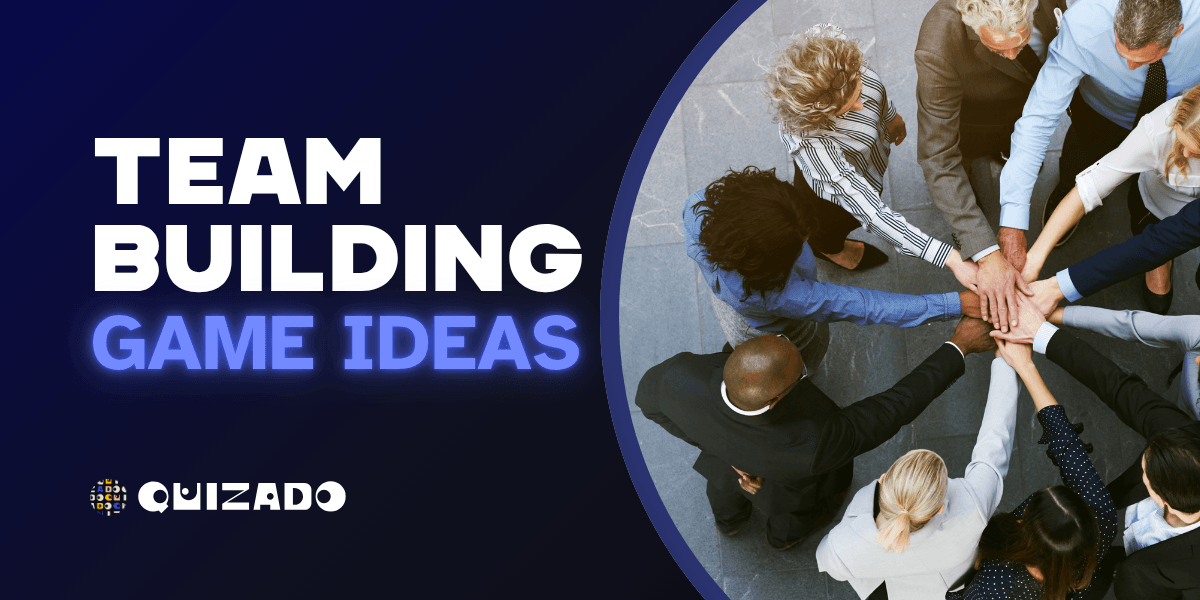
Over 80% of American companies report that engaged teams outperform competitors by a wide margin. Team engagement workflows are no longer just a trend but a necessity for organizations striving to boost productivity and foster real collaboration. As workplace challenges evolve, understanding how to nurture team interactions has become a foundational element of long-term success. This article uncovers how strategic engagement processes transform the daily experience of American teams, unlocking higher motivation and more cohesive results.
Table of Contents
- Defining Team Engagement Workflow In Organizations
- Key Steps To Designing Effective Engagement
- Types Of Team Engagement Activities And Tools
- Benefits For Corporate Teams And Outcomes
- Common Pitfalls When Implementing Engagement Workflows
Key Takeaways
| Point | Details |
|---|---|
| Effective Team Engagement Workflows are Strategic | They encompass communication protocols, task allocation, collaborative decision-making, and feedback systems to enhance productivity and team dynamics. |
| Leveraging Technology and Psychological Insights | Modern frameworks utilize AI and digital tools to support individual preferences while achieving collective goals, fostering a more satisfying work environment. |
| Holistic Approach to Engagement | Designing effective engagement involves clear objectives and adaptable structures that promote open communication and recognize individual strengths. |
| Continuous Attention to Engagement Practices | Organizations should avoid one-size-fits-all approaches and recognize engagement as an ongoing process requiring persistent care and strategic adjustments. |
Defining Team Engagement Workflow in Organizations
A team engagement workflow represents a strategic framework that guides how team members interact, collaborate, and execute tasks within an organizational environment. Recent research has demonstrated that structured interaction taxonomies play a critical role in enhancing team performance and productivity.
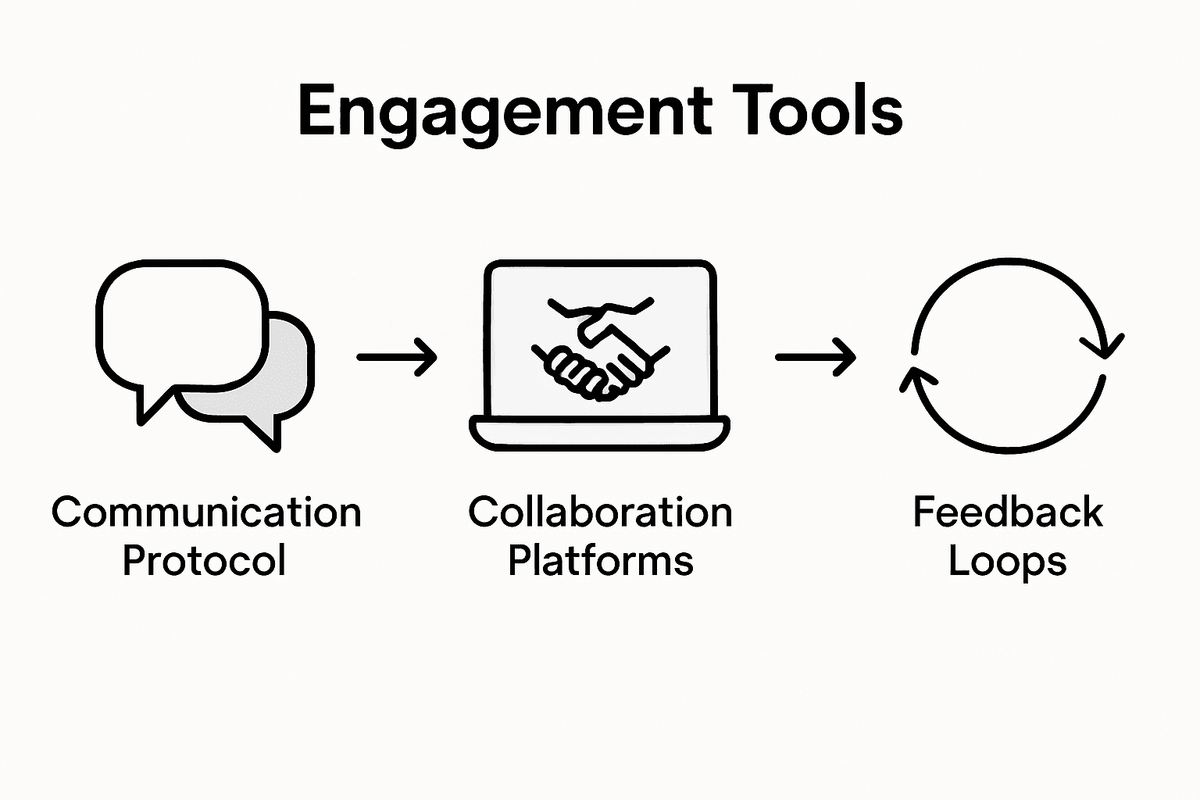
At its core, team engagement workflow encompasses several key dimensions that transform traditional work processes. These include communication protocols, task allocation strategies, collaborative decision-making mechanisms, and feedback systems. Organizations increasingly recognize that effective workflows are not just about task completion, but about creating meaningful interactions that foster human-centric team dynamics.
Successful team engagement workflows typically incorporate multiple strategic elements:
- Clear communication channels
- Defined roles and responsibilities
- Transparent performance metrics
- Regular interaction opportunities
- Adaptive collaboration mechanisms
Modern approaches to team engagement workflows also leverage technology and psychological insights to optimize team interactions. AI-augmented frameworks are emerging as powerful tools that help organizations balance individual preferences with collective objectives, ultimately creating more satisfying and productive work environments.
Key Steps to Designing Effective Engagement
Designing effective team engagement requires a strategic and nuanced approach that goes beyond traditional team-building methods. Team onboarding practices have evolved to emphasize not just professional familiarity, but also personal connections that drive deeper collaboration and mutual understanding.
The process begins with establishing clear objectives and creating an environment that promotes open communication. Research suggests that successful team engagement models integrate multiple dimensions of interaction, including:
- Structured communication protocols
- Individual skill recognition
- Collaborative problem-solving opportunities
- Continuous feedback mechanisms
Implementing an effective engagement strategy demands a holistic approach. Teams must balance structured frameworks with flexibility, allowing members to bring their unique strengths while maintaining cohesive workflow. Agile teamwork methodologies provide robust models for achieving this delicate balance, emphasizing adaptability and continuous improvement.

Ultimately, successful team engagement is about creating an ecosystem where individual talents can flourish collectively. By understanding team dynamics and implementing thoughtful interaction strategies, organizations can transform traditional work environments into dynamic, collaborative spaces that drive innovation and productivity.
Types of Team Engagement Activities and Tools
Modern organizations are increasingly adopting diverse team engagement activities that go beyond traditional interactions. Digital collaboration frameworks now integrate well-being determinants to create more meaningful and interactive team experiences, recognizing that engagement is about more than just work tasks.
Team engagement tools and activities can be categorized into several key types:
- Interactive digital platforms
- Collaborative problem-solving sessions
- Skill-sharing workshops
- Virtual team-building games
- Personality assessment exercises
- Cross-functional project challenges
Collaborative learning strategies have demonstrated significant potential in enhancing team dynamics. Organizations are increasingly adopting structured team engagement approaches that blend professional development with interactive experiences, ensuring that team members feel valued and connected.
The most effective team engagement tools share common characteristics: they are adaptable, inclusive, and designed to reveal individual strengths while promoting collective achievement. By creating environments that balance structured activities with genuine human connection, organizations can transform traditional workplace interactions into powerful collaborative experiences that drive innovation and team cohesion.
Benefits for Corporate Teams and Outcomes
Team engagement workflows deliver transformative benefits that extend far beyond traditional performance metrics. Team interaction patterns reveal critical insights into how successful organizations create sustainable collaborative environments that drive innovation and productivity.
Key benefits of robust team engagement strategies include:
- Enhanced communication effectiveness
- Increased employee motivation
- Reduced workplace friction
- Accelerated problem-solving capabilities
- Improved organizational resilience
- Higher employee retention rates
Systemic team coaching approaches demonstrate that effective engagement goes beyond individual performance, focusing on collective intelligence and interconnected team dynamics. Organizations that understand corporate team bonding can create environments where collaborative potential is maximized.
Ultimately, successful team engagement transforms workplace cultures. By recognizing individual strengths, creating meaningful interaction frameworks, and promoting mutual understanding, organizations can develop high-performing teams that are adaptable, innovative, and genuinely connected. The result is not just improved productivity, but a more fulfilling and dynamic work experience that benefits both employees and the broader organizational ecosystem.
Common Pitfalls When Implementing Engagement Workflows
Team engagement workflows can quickly become ineffective when organizations fail to recognize critical implementation challenges. Agile teamwork research highlights the complex dynamics that can derail even well-intentioned engagement strategies, revealing that success depends on nuanced understanding of team interactions.
Common pitfalls organizations encounter include:
- Overlooking individual team member preferences
- Implementing one-size-fits-all engagement approaches
- Failing to create meaningful communication channels
- Neglecting continuous feedback mechanisms
- Treating engagement as a singular event rather than an ongoing process
- Insufficient training for team leaders and managers
Organizational information processing demonstrates that communication complexity can significantly undermine workflow effectiveness. Teams that encourage genuine participation recognize that engagement is not about mandated activities, but about creating authentic connections.
Successful engagement workflows require a nuanced, adaptive approach. By understanding potential barriers, organizations can design more resilient, flexible systems that genuinely support team dynamics. The key is viewing engagement as a dynamic, evolving process that requires continuous attention, empathy, and strategic refinement.
Elevate Your Team Engagement Workflow with Interactive Fun
The challenge of designing effective team engagement workflows lies in creating meaningful interactions that boost collaboration while keeping team members motivated and connected. This article highlights the importance of clear communication, structured activities, and ongoing feedback to transform traditional workflows into dynamic, human-centric team environments. If you want to avoid common pitfalls such as one-size-fits-all approaches or lack of genuine participation, embracing innovative tools is essential.
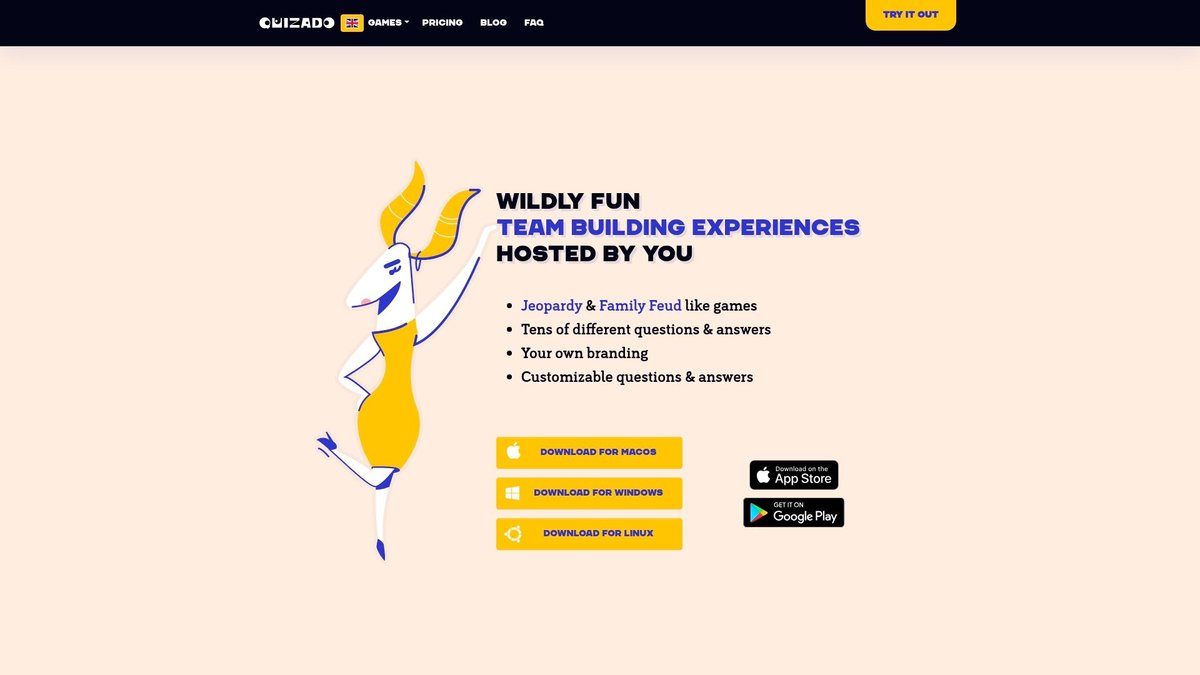
Discover how Quizado offers customizable, interactive quiz games that blend entertainment with organizational development to strengthen team dynamics. With flexible team configuration, themed interfaces, and options to personalize quizzes with your company’s branding, Quizado transforms routine engagement into an energizing experience that aligns perfectly with key concepts like adaptive collaboration and continuous feedback. Visit Quizado now to create unique team-building moments that foster real connection and lasting productivity.
Frequently Asked Questions
What is a team engagement workflow?
A team engagement workflow is a strategic framework that guides how team members interact, collaborate, and execute tasks within an organization, focusing on meaningful interactions that enhance productivity and team dynamics.
Why are communication protocols important in team engagement workflows?
Communication protocols establish clear channels for interaction among team members, fostering effective collaboration and reducing misunderstandings, which ultimately leads to improved team performance.
What are some effective team engagement activities?
Effective team engagement activities include collaborative problem-solving sessions, interactive digital platforms, skill-sharing workshops, and virtual team-building games that promote interaction and deeper connections among team members.
How can organizations avoid pitfalls when implementing team engagement workflows?
Organizations can avoid pitfalls by recognizing individual preferences, avoiding one-size-fits-all approaches, ensuring meaningful communication, and treating engagement as a continuous process rather than a one-time event.
Turn these ideas into a team event
Prepare an office quiz or remote game with a shared screen, phone participation and a host on your team.

Bring your group together for a game
Try a free starter game, then choose the format and plan for your group.
Trusted by 5,000+ hosts