In this post+
More than 85 percent of American organizations report that poor collaboration hampers growth and innovation. As teams become increasingly diverse and distributed, the complexity of coordinated effort continues to rise. Understanding the essentials of an effective team collaboration workflow can make the difference between missed deadlines and consistent success, offering clear insights into building stronger communication and shared accountability among professional teams.
Table of Contents
- Defining Team Collaboration Workflow Essentials
- Stages and Types of Collaboration Processes
- Key Technologies Supporting Team Workflows
- Integrating Collaboration Into Corporate Activities
- Common Challenges and How to Overcome Them
Key Takeaways
| Point | Details |
|---|---|
| Effective Collaboration Workflows | Successful workflows integrate clear communication, defined roles, project tracking, and shared accountability to enhance team performance. |
| Importance of Technology | Utilizing advanced collaboration tools fosters efficient teamwork and facilitates communication among geographically dispersed team members. |
| Overcoming Challenges | Proactive strategies like clear protocols and regular check-ins are essential to address communication inefficiencies and enhance team dynamics. |
| Cultural Transformation | Creating a culture that values open communication and cross-departmental interactions can significantly improve collaboration and innovation. |
Defining Team Collaboration Workflow Essentials
A team collaboration workflow represents a structured approach that transforms how professionals interact, communicate, and accomplish shared objectives. At its core, the workflow defines systematic processes that enable teams to streamline communication, allocate responsibilities, and track progress efficiently. Effective collaboration strategies require understanding key interconnected elements that drive collective performance.
Successful team collaboration workflows typically encompass several critical components. These include clear communication channels, precise role definitions, transparent project tracking mechanisms, and robust shared accountability frameworks. Modern organizations recognize that collaboration is not just about working together, but about creating an integrated system where individual contributions seamlessly blend into collective achievements. Online collaboration tools have become instrumental in facilitating these dynamic interactions across physical and digital environments.
To implement an effective collaboration workflow, teams must focus on several strategic priorities:
- Establishing transparent communication protocols
- Defining specific team roles and responsibilities
- Creating measurable performance benchmarks
- Implementing reliable project management technologies
- Cultivating a culture of mutual trust and open dialogue
The ultimate goal of a well-designed team collaboration workflow is to minimize friction, maximize productivity, and create an environment where collective intelligence thrives. By systematically addressing communication gaps, aligning individual strengths, and providing clear pathways for interaction, organizations can unlock unprecedented levels of team performance and innovation.
Stages and Types of Collaboration Processes
Understanding the nuanced stages of collaboration is essential for organizations seeking to optimize team performance. Collaborative working processes typically follow a structured progression that transforms individual efforts into collective achievements. These stages are not merely linear checkpoints but dynamic interactions that require continuous adaptation and strategic alignment.
Teams generally navigate through several critical collaboration stages, which can be categorized into distinct types. Problem-solving collaboration, strategic alignment collaboration, and innovative development collaboration represent core interaction models. Collaborative problem-solving approaches often involve three primary phases: pre-deliberation, where challenges are identified and initial strategies are mapped out; deliberation, where active discussion and solution generation occur; and post-deliberation, focusing on implementation and evaluation.
The primary types of collaboration processes include:
- Synchronous Collaboration: Real-time interaction through meetings, video conferences, and direct communication
- Asynchronous Collaboration: Distributed work across different times and locations using shared digital platforms
- Cross-functional Collaboration: Teamwork involving members from diverse departments or skill sets
- Virtual Collaboration: Digital interactions leveraging technology to connect geographically dispersed team members
- Strategic Collaboration: Long-term partnerships focused on achieving overarching organizational goals
Successful collaboration transcends mechanical processes. It requires building trust, establishing clear communication channels, and creating an environment where team members feel empowered to contribute their unique perspectives. By understanding these stages and collaboration types, organizations can design more effective workflows that unlock collective potential and drive meaningful results.
Key Technologies Supporting Team Workflows
Modern team collaboration relies increasingly on sophisticated technological platforms that transform how professionals interact and accomplish shared objectives. Collaboration-centered workflow architectures have emerged as critical infrastructure, enabling dynamic and predictable interfaces that support complex team interactions. These technologies go beyond simple communication tools, creating intelligent systems that adapt to unique organizational needs and enhance collective productivity.
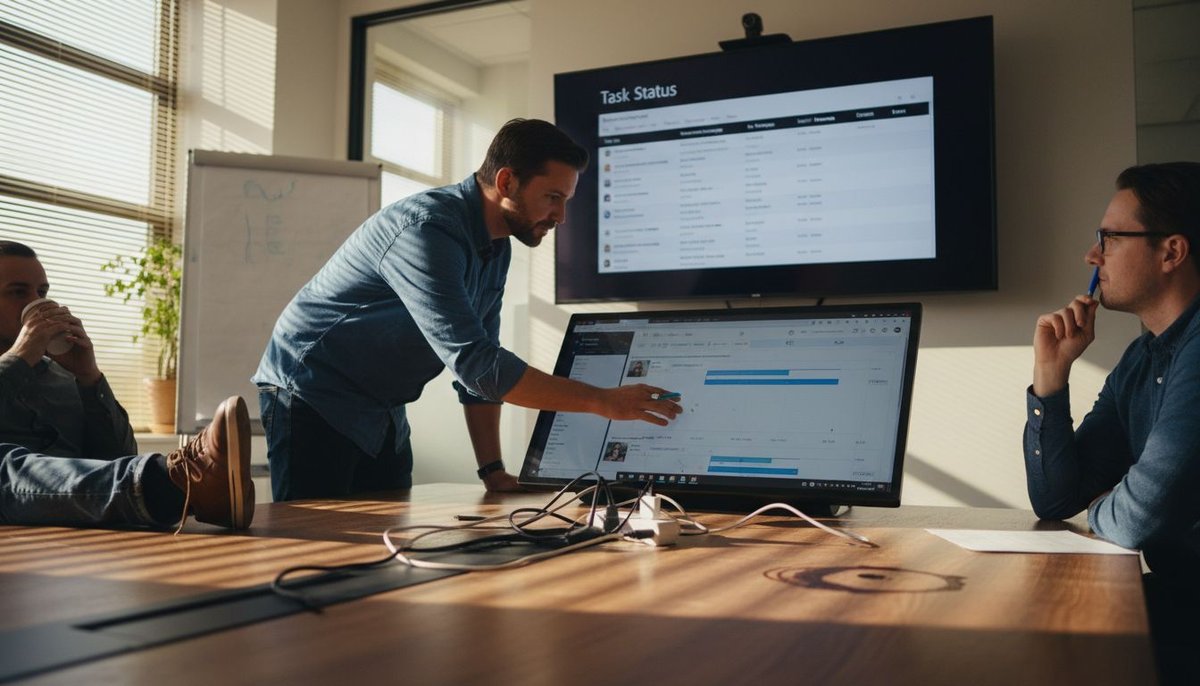
The landscape of team workflow technologies encompasses several key categories. Communication platforms, project management software, cloud-based collaboration tools, and integrated workflow systems represent the core technological ecosystems supporting contemporary teamwork. Global software engineering coordination mechanisms demonstrate how technologies like Slack, Microsoft Teams, and specialized workflow applications enable seamless communication across geographical and organizational boundaries.
Essential technologies supporting team workflows include:
- Real-time Communication Platforms
- Instant messaging applications
- Video conferencing tools
- Screen sharing and collaborative editing software
- Project Management Technologies
- Kanban and task tracking systems
- Resource allocation platforms
- Performance monitoring dashboards
- Cloud Collaboration Suites
- Shared document repositories
- Synchronized file management systems
- Cross-platform integration tools
Successful technological integration requires more than implementing individual tools. Organizations must develop a holistic approach that considers team dynamics, technological compatibility, and user experience. By strategically selecting and implementing workflow technologies, teams can create adaptive, responsive environments that maximize collaboration, streamline communication, and drive meaningful organizational outcomes.
Integrating Collaboration Into Corporate Activities
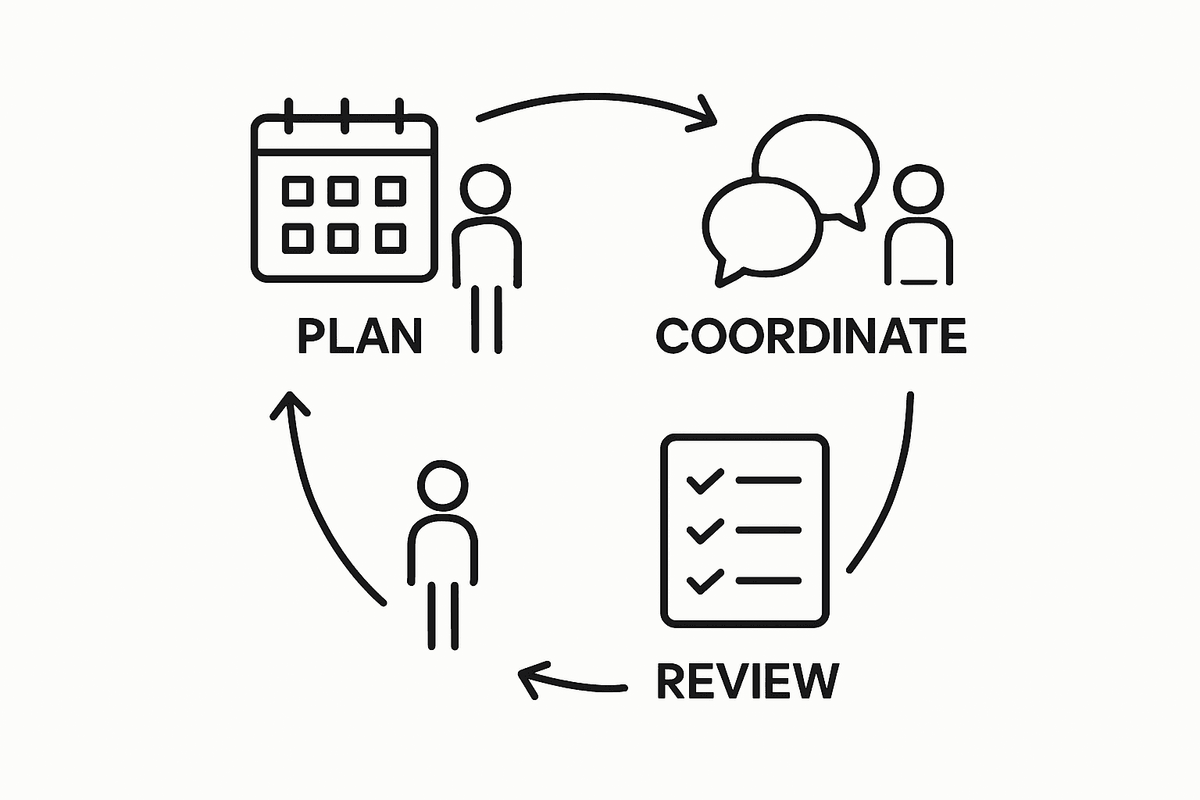
Successful corporate collaboration requires a strategic approach that transforms isolated activities into interconnected, synergistic processes. Advanced task management through chatbot technologies represents an innovative method for embedding collaborative practices directly into existing communication channels. By integrating intelligent systems that can create, assign, and track tasks seamlessly, organizations can break down traditional departmental barriers and promote more fluid teamwork.
The core of effective collaboration integration involves creating comprehensive communication ecosystems that support multiple interaction modes. Integrated collaboration environments combine various technological platforms to enable sophisticated team interactions, including web-based conferencing, desktop video communication, and instant messaging. These integrated systems allow organizations to create flexible, adaptive workspaces that transcend physical and technological limitations.
Key strategies for integrating collaboration into corporate activities include:
- Cultural Transformation
- Promoting open communication
- Encouraging cross-departmental interactions
- Recognizing collaborative achievements
- Technological Infrastructure
- Implementing unified communication platforms
- Creating shared digital workspaces
- Developing interoperable software systems
- Process Redesign
- Aligning workflows across departments
- Establishing clear collaborative protocols
- Creating transparent performance metrics
Successful collaboration integration is not about implementing technologies, but about creating a holistic ecosystem where teamwork becomes the natural mode of organizational operation. By thoughtfully designing communication frameworks, leveraging intelligent technologies, and fostering a culture of mutual support, corporations can transform traditional hierarchical structures into dynamic, responsive networks that drive innovation and collective achievement.
Common Challenges and How to Overcome Them
Team collaboration is complex, with numerous potential pitfalls that can derail productivity and team morale. Global software engineering coordination challenges reveal persistent obstacles that organizations must strategically address, including communication breakdowns, uneven team participation, and limited availability of key team members. Understanding these challenges is the first critical step toward developing robust, adaptive collaboration strategies.
The most prevalent collaboration challenges typically manifest in several key areas. Communication inefficiencies, task management complexity, and team dynamics friction represent the primary barriers that impede effective teamwork. Advanced task management approaches demonstrate how intelligent systems can help mitigate these challenges by providing structured, transparent mechanisms for tracking responsibilities and maintaining team alignment.
Key strategies for overcoming collaboration challenges include:
- Communication Barriers
- Implement clear communication protocols
- Use multi-channel communication platforms
- Establish regular check-in meetings
- Task Management Challenges
- Create transparent task assignment systems
- Use collaborative project management tools
- Define clear accountability metrics
- Team Dynamics Optimization
- Promote psychological safety
- Encourage diverse perspectives
- Develop conflict resolution frameworks
Successful teams recognize that collaboration challenges are not insurmountable obstacles but opportunities for growth and improvement. By proactively identifying potential friction points, implementing adaptive strategies, and maintaining a culture of continuous learning, organizations can transform collaborative challenges into catalysts for innovation and enhanced team performance.
Elevate Your Team Collaboration Workflow With Engaging Team-Building Solutions
The article highlights key challenges in team collaboration workflows such as communication breakdowns, uneven participation, and fostering mutual trust. These are critical pain points organizations face when striving to build transparent communication channels and enhance collective accountability. At the heart of boosting engagement and productivity lies the need for interactive and enjoyable methods that encourage real-time collaboration and team cohesion. Incorporating creative strategies that combine entertainment with purposeful interaction can transform the way teams connect and perform.
Quizado specializes in bridging these gaps through customizable team-building game experiences inspired by popular formats like Jeopardy and Family Feud. These interactive quizzes help teams embrace synchronous collaboration, break down communication silos, and foster a culture of openness and trust while keeping the environment fun and motivational.
By integrating interactive quiz games into your collaboration workflow, you empower your teams to enhance communication clarity, sharpen problem-solving skills, and strengthen cross-functional relationships. These engaging activities support the very concepts discussed in the article such as building trust, promoting diverse perspectives, and creating transparent accountability through game-based participation.
Take your team’s collaboration workflow beyond traditional meetings and task management. Discover how blending structured collaboration with playful interaction drives productivity and morale.
Ready to transform your team dynamics and make collaboration effortless and enjoyable Try Quizado today and unlock a new way to build engagement and productivity through tailored team-building game experiences.
Frequently Asked Questions
What are the key components of an effective team collaboration workflow?
An effective team collaboration workflow typically includes clear communication channels, precise role definitions, transparent project tracking mechanisms, and robust shared accountability frameworks.
How can technology improve team collaboration?
Technological tools such as communication platforms, project management software, and cloud-based collaboration tools enhance team interaction, streamline workflow processes, and improve overall productivity by enabling real-time communication and efficient task management.
What are the stages of the collaboration process?
The stages of the collaboration process include problem-solving collaboration, strategic alignment collaboration, and innovative development collaboration. These stages emphasize phases such as pre-deliberation, deliberation, and post-deliberation, facilitating structured teamwork.
What common challenges do teams face in collaboration, and how can they be overcome?
Common challenges include communication inefficiencies, task management complexity, and team dynamics friction. These can be addressed by implementing clear communication protocols, using collaborative project management tools, and promoting psychological safety within the team.
Host a quiz with your group
Find a hosting setup for your venue, company, classroom or activity group.