In this post+
More than 60 percent of American remote workers admit they feel disconnected from their teams, impacting performance and morale across multinational organizations. For HR managers balancing global teams from Canada to Europe and beyond, building true team effectiveness is no longer optional. This guide uncovers practical, interactive quiz experiences designed to strengthen collaboration, boost engagement, and create measurable improvement in how your remote teams work together—no matter where in the world they log in.
Table of Contents
- Defining Team Effectiveness and Its Importance
- Models and Frameworks That Shape Team Success
- Key Drivers of Effective Collaboration
- Common Barriers and Mistakes to Avoid
- Applying Team Effectiveness in Remote Settings
Key Takeaways
| Point | Details |
|---|---|
| Team Effectiveness is Crucial | High-performing teams enhance organizational productivity and drive innovation, making team effectiveness a critical competitive advantage. |
| Key Attributes of Effective Teams | Successful teams exhibit clear communication, shared goals, and adaptability, fostering strong interpersonal relationships and accountability. |
| Collaboration Drivers | Emotional intelligence, supportive leadership, and organizational culture significantly influence team performance and collaborative success. |
| Addressing Collaboration Barriers | Overcoming barriers like psychological safety issues and structural silos is essential for fostering effective teamwork and communication. |
Defining Team Effectiveness and Its Importance
Team effectiveness represents the capacity of a group to collaborate efficiently, achieve shared objectives, and consistently deliver outstanding performance. In modern organizations, team effectiveness is not just a desirable trait but a critical competitive advantage. Global research indicates that high-performing teams significantly enhance organizational productivity and success.
Effective teams are characterized by several key attributes that distinguish them from average work groups. These include clear communication channels, shared goals, complementary skills, mutual accountability, and the ability to adapt dynamically to changing workplace challenges. Team members in highly effective groups demonstrate strong interpersonal relationships, trust, and a collective commitment to achieving exceptional results. They understand individual strengths and leverage them strategically to maximize team performance.
The importance of team effectiveness extends far beyond simple task completion. High-performing teams drive innovation, accelerate problem solving, and create workplace environments that foster continuous learning and professional growth. Understanding workplace teamwork dynamics reveals that organizations investing in team development see remarkable improvements in employee engagement, retention, and overall organizational resilience.
Pro Tip: Conduct regular team effectiveness assessments using structured evaluation frameworks to identify improvement opportunities and track collaborative progress.
Models and Frameworks That Shape Team Success
Team success is not accidental but the result of strategic frameworks that guide collaborative performance. Researchers have developed comprehensive models that provide structured approaches to understanding and enhancing team effectiveness. These frameworks offer critical insights into how teams can transform from merely functional groups into high-performing units that drive organizational success.
One prominent model is Hackman and Wageman's Six Conditions for Team Effectiveness, which outlines six fundamental elements essential for team performance. These conditions include establishing a real team with clear membership, creating a compelling direction that motivates members, selecting the right people with complementary skills, designing a solid team structure, ensuring a supportive organizational context, and providing competent coaching. Team development strategies demonstrate how systematically addressing these conditions can dramatically improve team performance and organizational outcomes.
Beyond Hackman and Wageman's model, other significant frameworks like Tuckman's stages of group development and the Lencioni model provide complementary perspectives on team dynamics. These models emphasize the importance of trust, constructive conflict resolution, commitment, accountability, and attention to collective results. Understanding and applying these frameworks helps leaders create environments where teams can effectively collaborate, innovate, and achieve exceptional results.
Here's a concise comparison of leading team effectiveness frameworks and their unique strengths:
| Framework | Core Focus | Standout Strength | Ideal Use Case |
|---|---|---|---|
| Hackman & Wageman | Team structure & conditions | Clear team boundaries | New or restructuring teams |
| Tuckman Stages | Group development phases | Managing team evolution | Project-based or temporary teams |
| Lencioni Model | Trust & accountability | Improving team relationships | Leadership and executive teams |
Pro Tip: Regularly assess your team against established effectiveness frameworks to identify growth opportunities and systematically enhance collaborative performance.
Key Drivers of Effective Collaboration
Effective collaboration is a complex interplay of multiple psychological, social, and organizational factors that transform individual efforts into collective success. Contemporary research reveals critical drivers that fundamentally shape team performance, highlighting the intricate nature of workplace interactions. Understanding these drivers enables organizations to create environments that naturally foster exceptional teamwork and productivity.
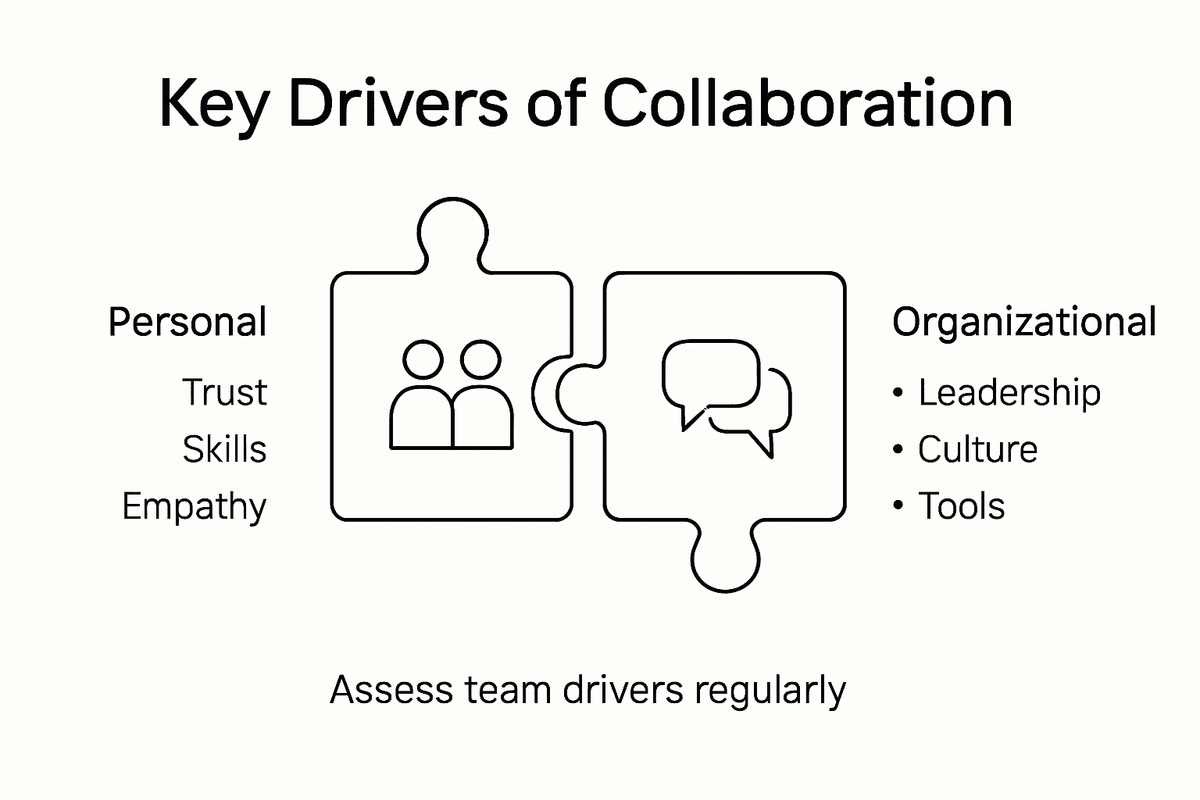
Emotional intelligence emerges as a pivotal driver in collaborative settings. Team members with high emotional intelligence can navigate interpersonal dynamics more effectively, manage conflicts constructively, and create psychological safety within groups. Improving team collaboration requires developing skills like empathy, active listening, and adaptive communication. These competencies allow team members to understand diverse perspectives, anticipate colleagues' needs, and maintain positive working relationships even under challenging circumstances.
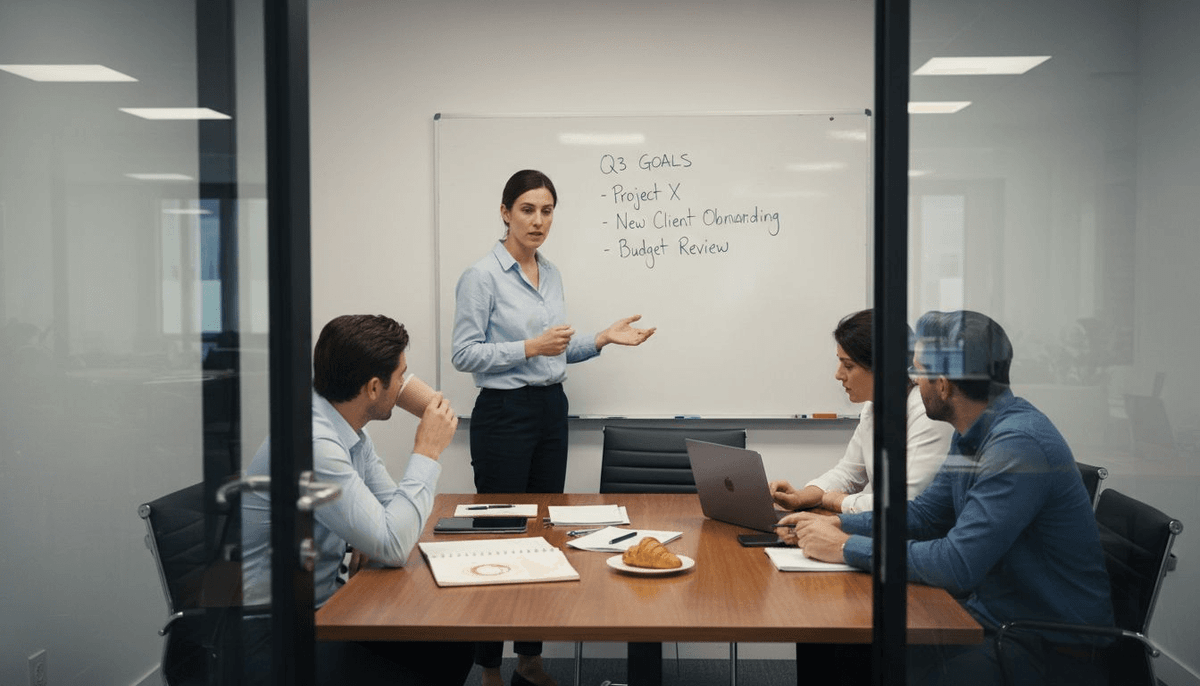
Organizational culture and leadership play equally critical roles in driving effective collaboration. Leaders who cultivate transparent communication, recognize individual contributions, and create inclusive environments can significantly enhance team performance. Successful collaboration depends not just on individual skills but on systemic support that encourages knowledge sharing, mutual respect, and collective problem solving. By establishing clear expectations, providing necessary resources, and modeling collaborative behaviors, organizations can transform their team dynamics and unlock unprecedented levels of collective potential.
Pro Tip: Conduct periodic team emotional intelligence assessments to identify and develop collaborative skills systematically.
Common Barriers and Mistakes to Avoid
Common misconceptions about team dynamics often prevent organizations from achieving true collaborative excellence. Many leaders mistakenly believe that exceptional team performance stems from magical 'team chemistry' or relying on heroic individual contributors. In reality, effective collaboration requires systematic approaches that address structural and contextual barriers that can undermine team performance.
Psychological safety emerges as a critical factor in overcoming collaborative barriers. Team collaboration workflows highlight how fear of speaking up can completely derail team effectiveness. When team members feel anxious about sharing unpopular opinions or admitting mistakes, it creates an environment of silent dysfunction. Organizations must actively cultivate cultures where vulnerability is seen as a strength, not a weakness, enabling team members to communicate openly, challenge ideas constructively, and learn from collective experiences.
Structural barriers like unclear communication channels, misaligned incentives, and poor leadership practices can significantly impede team performance. Traditional hierarchical structures often create silos that prevent knowledge sharing and collaborative problem solving. Successful teams break down these barriers by establishing transparent communication protocols, creating cross-functional opportunities for interaction, and developing reward systems that prioritize collective achievement over individual competition. By recognizing and systematically addressing these structural impediments, organizations can transform potential collaboration obstacles into opportunities for innovation and growth.
The table below highlights common collaboration barriers and recommended strategies to overcome them:
| Barrier | Negative Impact | Solution |
|---|---|---|
| Low psychological safety | Stifles idea sharing | Foster open dialogue |
| Hierarchical silos | Limits information flow | Enable cross-team projects |
| Misaligned rewards | Discourages teamwork | Reward collective achievements |
| Unclear communication | Causes misunderstandings | Set clear protocols |
Pro Tip: Conduct anonymous team climate surveys to uncover hidden communication barriers and psychological safety gaps.
Applying Team Effectiveness in Remote Settings
Remote collaboration requires deliberate strategies to overcome physical distance and maintain team cohesion. Psychological safety research underscores the critical importance of creating engaging virtual work environments that foster open communication and trust. Without intentional design, remote teams risk becoming disconnected, inefficient, and emotionally disengaged.
Building effective remote teams demands reimagining traditional collaboration methods. Virtual team building strategies must prioritize creating structured opportunities for genuine interaction, emotional connection, and shared understanding. This involves implementing robust digital communication tools, establishing clear communication protocols, and designing virtual experiences that simulate the spontaneous interactions of in-person workplace environments. Successful remote teams leverage technology not just as a communication platform, but as a collaborative ecosystem that supports transparent, inclusive, and dynamic teamwork.
Technology alone cannot guarantee team effectiveness in remote settings. Leaders must actively cultivate a culture of psychological safety, where team members feel comfortable sharing ideas, expressing vulnerabilities, and challenging assumptions without fear of negative consequences. This requires developing deliberate practices like regular video check-ins, interactive team-building activities, transparent goal setting, and creating digital spaces that encourage informal social interactions. By recognizing the unique challenges of remote work and proactively addressing them, organizations can transform potential limitations into opportunities for innovative, flexible, and highly engaged team performance.
Pro Tip: Implement weekly virtual coffee chats or random team pairing sessions to maintain interpersonal connections in remote work environments.
Enhance Your Team Effectiveness with Engaging Team-Building Games
The article highlights key challenges in boosting team effectiveness such as fostering psychological safety, improving communication, and enhancing collaboration both in-person and remotely. If your team struggles with building trust or maintaining high engagement despite frameworks and models, an interactive and fun solution can make a real difference. Using tailored, collaborative activities helps break down barriers, strengthens interpersonal bonds, and ignites motivation.

Discover how customizable team-building games at Quizado can transform your workplace dynamics by leveraging entertaining quiz experiences inspired by popular game shows. Our platform empowers managers and teams to create memorable, branded activities that improve emotional intelligence, encourage open dialogue, and elevate shared goals. Don’t let distance or disengagement hold your team back. Explore our virtual team-building guide for strategies to ensure your remote or hybrid teams stay connected and effective. Start now and unlock your team’s full potential by visiting Quizado today.
Frequently Asked Questions
What is team effectiveness?
Team effectiveness refers to the ability of a group to work together efficiently, achieve shared goals, and deliver high performance consistently. It is a key competitive advantage in modern organizations.
What are the key attributes of effective teams?
Effective teams are characterized by clear communication, shared goals, complementary skills, mutual accountability, and adaptability to changing workplace challenges.
How can organizations foster team effectiveness?
Organizations can foster team effectiveness by investing in team development, conducting regular assessments, creating supportive environments, and ensuring clear communication and leadership practices.
What are common barriers to effective collaboration?
Common barriers include low psychological safety, hierarchical silos, misaligned incentives, and unclear communication. Addressing these barriers is crucial for improving collaboration and team performance.
Recommended
Host a quiz with your group
Find a hosting setup for your venue, company, classroom or activity group.