Team Motivation – Boosting Collaboration and Engagement
Many American teams underestimate how much motivation truly shapes workplace success. Studies show that teams with high engagement can outperform less motivated groups by over 20 percent. The drive behind exceptional performance relies on more than individual ambition. It depends on shared energy, genuine psychological commitment, and busting common myths about how teams work best. Discover what really fuels American team motivation and how leaders boost collective results.
Table of Contents
- Defining Team Motivation And Common Myths
- Major Types Of Team Motivation Approaches
- How Motivation Drives Team Performance
- Proven Strategies For Motivating Teams
- Avoiding Common Team Motivation Pitfalls
Key Takeaways
| Point | Details |
|---|---|
| Team Motivation is a Collective Effort | It emphasizes the importance of a supportive environment where team members feel empowered and inspired to work together towards common goals. |
| Myths Undermine Team Dynamics | Common misconceptions, such as uniform motivation strategies and relying solely on monetary incentives, can hinder effective team engagement. |
| Approaches to Motivation Vary | Leaders should employ diverse motivational techniques, including intrinsic and extrinsic strategies, to align with individual psychological needs and dynamics. |
| Avoiding Pitfalls is Crucial | Recognizing and addressing common pitfalls, such as ignoring individual differences and failing to foster open communication, is essential for enhancing team motivation and performance. |
Defining Team Motivation and Common Myths
Team motivation represents the collective energy and psychological commitment that propels groups toward achieving shared objectives. At its core, motivation transcends individual performance and focuses on creating a dynamic environment where team members feel empowered, connected, and inspired to contribute their best work. Understanding team dynamics requires recognizing the complex interplay of psychological needs and organizational structures.
David McClelland's Need Theory reveals critical insights into human motivation, identifying three primary psychological drivers: achievement, affiliation, and power. These motivational needs significantly influence how team members interact and perform. Some individuals are primarily motivated by accomplishing challenging goals, while others seek strong interpersonal connections or opportunities to influence group outcomes. Analyzing motivational needs helps leaders design more nuanced engagement strategies that resonate with diverse team members.
Despite popular belief, team motivation is not a spontaneous phenomenon. Common myths that undermine effective team dynamics include:
- Myth 1: All teams naturally function smoothly without structured guidance
- Myth 2: Money is the primary motivational factor for high performance
- Myth 3: Team members are uniformly motivated by identical strategies
Realistic team motivation requires intentional leadership, personalized approaches, and a deep understanding of individual and collective psychological needs. Successful teams recognize that motivation is a dynamic, multifaceted process demanding continuous attention, adaptation, and genuine human connection.
Major Types of Team Motivation Approaches
Leaders have multiple strategic approaches to motivating teams, each rooted in distinct psychological frameworks. Motivational leadership theories reveal complex perspectives on human behavior and organizational dynamics. Douglas McGregor's seminal work introduced two fundamental paradigms: Theory X and Theory Y, which represent dramatically different assumptions about workforce motivation and engagement.
Under Theory X, managers view employees as inherently resistant to work and requiring constant supervision. Conversely, Theory Y suggests employees are self-motivated, creative individuals who thrive when given autonomy and meaningful challenges. Understanding communication strategies becomes crucial in bridging these perspectives, with leaders needing to integrate direction-giving, emotion-sharing, and meaning-making communication techniques.
Team motivation approaches can be categorized into several key models:
- Intrinsic Motivation Approach: Focuses on internal rewards like personal growth, mastery, and purpose
- Extrinsic Motivation Approach: Emphasizes external rewards such as financial compensation and recognition
- Transformational Leadership Approach: Inspires team members through vision, charisma, and personal connection
- Collaborative Motivation Approach: Encourages team bonding and shared goal achievement
Effective team building strategies recognize that no single approach works universally. Successful leaders adapt their motivational techniques to individual team dynamics, understanding that human motivation is nuanced, multilayered, and constantly evolving.
How Motivation Drives Team Performance
Team performance is fundamentally transformed by the intricate dynamics of individual and collective motivation. Leadership behaviors and team efficiency reveal critical insights into how motivation directly impacts organizational productivity. Research demonstrates that specific leadership approaches such as providing constructive feedback, communicating clear goals, and encouraging team initiative can dramatically enhance project outcomes and overall team performance.

Positive interdependence emerges as a powerful mechanism driving team motivation. When team members perceive their individual success as intertwined with collective achievement, they naturally become more invested in collaborative efforts. This psychological connection transforms work from a series of individual tasks into a shared mission, where each member's contribution directly influences the team's overall success.
Key factors that drive team performance through motivation include:
- Psychological Safety: Creating an environment where team members feel comfortable taking risks
- Clear Goal Alignment: Ensuring individual objectives connect with broader team and organizational goals
- Recognition and Feedback: Providing timely, constructive acknowledgment of contributions
- Autonomy with Accountability: Empowering team members while maintaining performance standards
Effective team participation strategies recognize that motivation is not a one-size-fits-all approach. Successful teams understand that sustainable performance requires continuous adaptation, genuine human connection, and a nuanced understanding of what truly inspires individual team members to excel collectively.
Proven Strategies for Motivating Teams
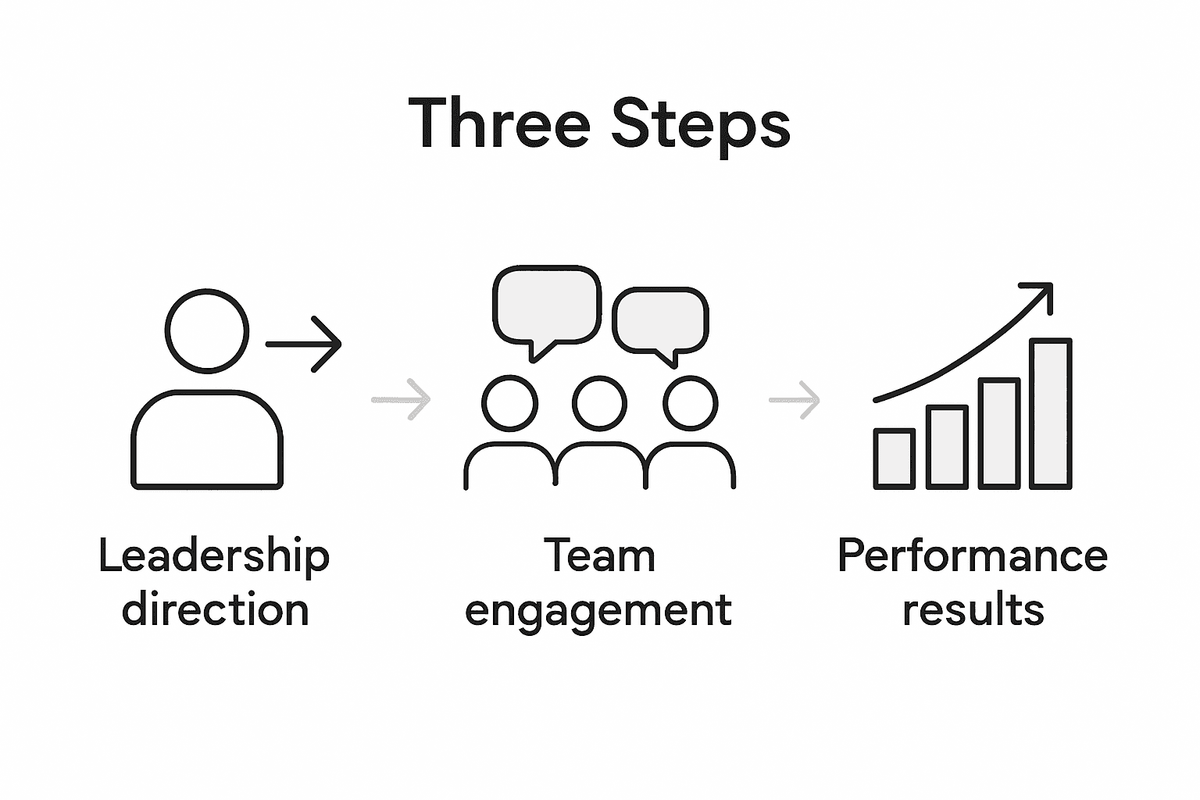
Team motivation requires a sophisticated, multifaceted approach that goes beyond traditional management techniques. Systemic Team Coaching offers a groundbreaking perspective, emphasizing the importance of viewing teams within their broader organizational ecosystem. By understanding the complex interactions and contextual dynamics, leaders can develop more nuanced strategies that drive genuine engagement and collective performance.
Research on agile team development reveals that successful motivation hinges on understanding group maturity and psychological dynamics. Teams are not static entities but evolving systems that require continuous adaptation, learning, and strategic intervention. Psychological insights become crucial in creating environments where team members feel empowered, connected, and intrinsically motivated to excel.
Effective team motivation strategies include:
- Transparent Communication: Creating open channels for dialogue and feedback
- Purpose-Driven Alignment: Connecting individual roles to broader organizational goals
- Skill Development Opportunities: Providing continuous learning and growth pathways
- Recognition and Celebration: Acknowledging individual and collective achievements
- Psychological Safety: Fostering an environment of trust and constructive risk-taking
Employee engagement techniques demonstrate that motivation is a dynamic, personalized process. Successful leaders recognize that no universal formula exists, requiring adaptive, empathetic approaches that respect individual differences while maintaining collective momentum.
Avoiding Common Team Motivation Pitfalls
Team dynamics are complex ecosystems that require strategic navigation to prevent motivational breakdowns. Team composition research reveals that diversity is not just a buzzword but a critical factor in avoiding structural weaknesses. Organizations frequently stumble by creating homogeneous teams that lack varied perspectives, skill sets, and cognitive approaches, ultimately limiting their collective potential.
Social network dynamics in team formation highlight the nuanced challenges of team cohesion. While familiarity can foster trust, over-reliance on existing relationships can create echo chambers that stifle innovation and critical thinking. Successful teams balance interpersonal comfort with deliberate introduction of diverse viewpoints and constructive tension.
Common team motivation pitfalls to avoid include:
- Ignoring Individual Differences: Applying uniform motivation strategies
- Lack of Transparent Communication: Creating information silos
- Overlooking Skill Development: Failing to provide growth opportunities
- Inconsistent Recognition: Neglecting individual and collective achievements
- Micromanagement: Suppressing team autonomy and creative problem-solving
Team building best practices demonstrate that avoiding these pitfalls requires continuous learning, adaptability, and a commitment to understanding the unique psychological landscape of each team. Motivation is not a one-time intervention but an ongoing, dynamic process of engagement and mutual respect.
Transform Your Team Motivation with Engaging Quiz Experiences
The challenge of boosting team motivation goes beyond just setting goals or offering rewards. As highlighted in the article, fostering psychological safety, clear goal alignment, and collaborative motivation demands creative solutions that inspire genuine engagement. Many teams struggle with maintaining energy and connection, especially when motivation strategies are one-size-fits-all or lack personal resonance. That is where interactive, customizable team-building tools become essential for cultivating lasting collaboration and excitement.

Discover how Quizado helps you turn theoretical motivation frameworks into real-world practice through fun and dynamic quiz games. Our platform enables managers and teams to create personalized quiz experiences that align with your group’s unique dynamics, empowering members to engage authentically and build strong bonds. With flexible features like smartphone remote control, themed visuals, and an extensive question bank, you can design sessions that support intrinsic motivation and team bonding while driving collective performance. Take the first step to revitalize your team’s energy and cohesion by exploring effective team building strategies on our site. Start creating memorable, motivational moments today with Quizado and watch your team thrive.
Frequently Asked Questions
What is team motivation?
Team motivation refers to the collective energy and psychological commitment that drives group members toward achieving shared goals and creating a dynamic environment where they feel empowered and inspired.
What are some common myths about team motivation?
Common myths include the beliefs that all teams function smoothly without guidance, that money is the primary motivator, and that all team members are motivated by the same strategies.
How does motivation impact team performance?
Motivation influences team performance by fostering psychological safety, aligning individual goals with team objectives, and enhancing recognition and feedback, leading to improved collaboration and outcomes.
What are effective strategies for motivating teams?
Effective strategies include transparent communication, purpose-driven alignment, providing skill development opportunities, recognizing achievements, and fostering psychological safety.
Recommended
Host a quiz with your group
Find a hosting setup for your venue, company, classroom or activity group.

Bring your group together for a game
Try a free starter game, then choose the format and plan for your group.
Trusted by 5,000+ hosts