In this post+
Corporate teams struggle to find engaging activities that genuinely improve collaboration and morale. Traditional team-building exercises often feel forced or fail to connect everyone meaningfully. Quiz nights offer an interactive solution that combines fun with strategic problem-solving, creating natural opportunities for communication and relationship-building. This guide walks you through planning, executing, and optimizing corporate quiz nights that deliver measurable improvements in team dynamics and workplace culture throughout 2026.
Table of Contents
- Understanding Corporate Quiz Nights And Their Team-Building Benefits
- Planning Your Corporate Quiz Night: Prerequisites And Setup
- Executing The Perfect Corporate Quiz Night: Step-By-Step Guide
- Measuring Success And Optimizing Your Corporate Quiz Nights
- Boost Your Corporate Quiz Nights With Quizado's Expert Tools
- Frequently Asked Questions
Key takeaways
| Point | Details |
|---|---|
| Quiz nights drive collaboration | Interactive trivia naturally encourages collective problem-solving and strengthens team communication patterns |
| Clear planning ensures success | Setting specific goals and choosing the right format dramatically improves engagement and participant satisfaction |
| Team-building delivers strong ROI | Well-executed quiz events can support retention and productivity |
| Format variety maintains interest | Rotating between classic, themed, and interactive rounds keeps teams engaged across multiple events |
Understanding corporate quiz nights and their team-building benefits
Trivia events foster collaboration by creating scenarios where every team member can contribute unique knowledge. Unlike passive corporate events, quiz nights require active participation and collective decision-making. Teams must listen to each other, debate answers, and leverage diverse expertise to succeed.
These interactive sessions break down workplace hierarchies naturally. When your CFO and newest intern debate pop culture questions together, communication barriers dissolve in ways formal meetings never achieve. The relaxed atmosphere encourages authentic interaction.
Research shows relationship-building and fun rank as top priorities for 75% of organizations planning team events. Quiz nights deliver both simultaneously. They create shared experiences that become office talking points for weeks afterward.
The business case for investing in these activities is compelling. Organizations implementing regular team-building concepts can see better retention, productivity, and profitability over time. Disengaged employees cost companies billions annually through turnover and lost productivity. Quiz nights combat this by creating genuine connection points.
Consider these core benefits:
- Employees discover hidden talents and interests in colleagues
- Cross-departmental relationships form naturally during mixed teams
- Competitive elements motivate participation without creating workplace tension
- Low-pressure environments allow introverted team members to shine
"The most effective team-building activities balance challenge with accessibility, ensuring everyone can contribute regardless of role or tenure."
Successful quiz nights tap into intrinsic motivation. People enjoy demonstrating knowledge and contributing to team success. This creates positive associations with workplace community that extend beyond the event itself. Understanding these psychological dynamics helps you design experiences that resonate deeply with participants and generate lasting group activity benefits.
Planning your corporate quiz night: prerequisites and setup
Effective quiz nights start with crystal-clear objectives. Are you primarily building relationships, improving communication, celebrating achievements, or all three? Teams with clear goals choose activities that resonate better with participants. Write down your top two priorities before making any other decisions.
Location selection significantly impacts participation rates. Cost and convenience drive venue choices for most organizations. Consider these options:
- On-site conference rooms save money and maximize attendance
- Nearby restaurants or bars create relaxed, social atmospheres
- Virtual platforms eliminate travel barriers for distributed teams
- Hybrid formats accommodate both in-person and remote participants
Budget considerations extend beyond venue rental. Factor in prizes, refreshments, technology needs, and potential facilitator costs. Most successful corporate quiz nights allocate $15-30 per participant for a complete experience.
Quiz format directly affects engagement levels. Classic mixed quizzes covering diverse topics ensure everyone contributes something. Themed nights around specific interests (80s music, sports history, company trivia) create deeper engagement but risk alienating some participants. Interactive rounds incorporating multimedia, physical challenges, or creative tasks maintain energy when attention spans flag.
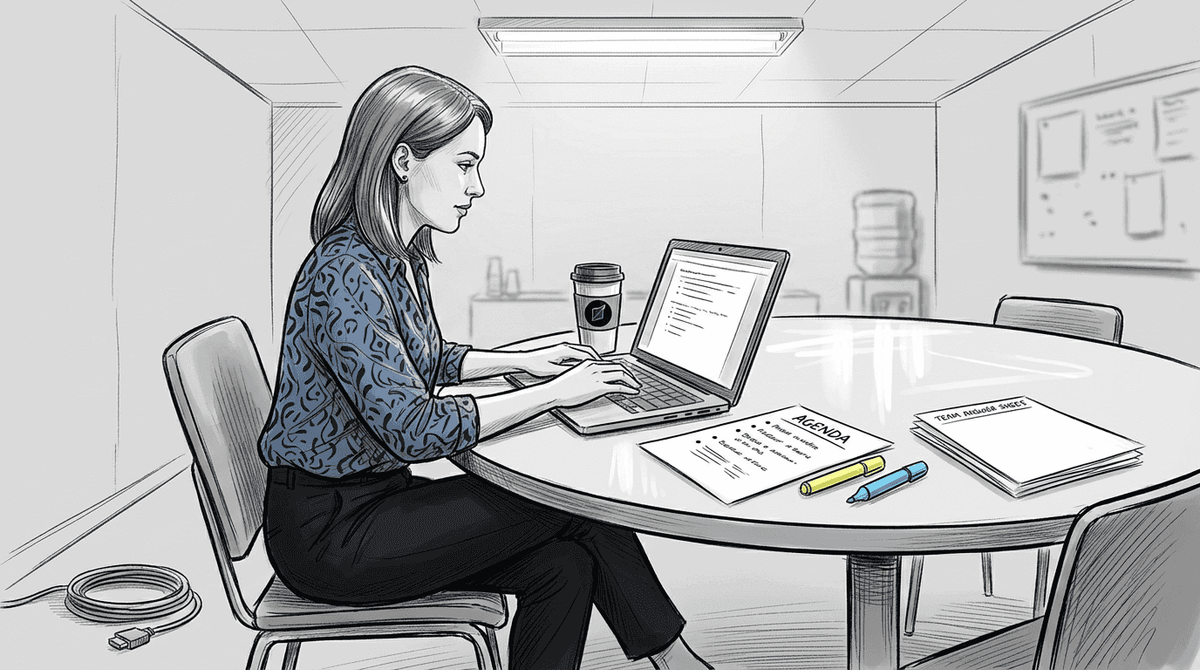
Content preparation separates memorable events from forgettable ones. Hosting engaging quizzes requires balancing difficulty to challenge without frustrating teams. Aim for questions where teams answer 60-70% correctly. Too easy feels patronizing, too hard discourages participation.
| Prerequisite | Details | Timeline |
|---|---|---|
| Goal definition | Identify primary objectives and success metrics | 4-6 weeks before |
| Venue booking | Secure location matching budget and capacity needs | 3-4 weeks before |
| Quiz content | Prepare 40-60 questions across varied categories | 2-3 weeks before |
| Technology setup | Test equipment, backup systems, and participant devices | 1 week before |
| Team formation | Decide on random assignment vs self-selection approach | Event day |
Develop your interactive quiz planning around these core elements. Create question banks covering general knowledge, pop culture, industry-specific topics, and company history. Mix question types including multiple choice, true/false, and open-ended responses to maintain variety.
Pro Tip: Run a pilot quiz with 5-10 volunteers two weeks before your main event to identify confusing questions, test technology, and refine pacing based on real feedback.
Equipment needs vary by format but typically include a projector or large screen, sound system, scoring mechanism, and answer collection method. Modern platforms eliminate manual tracking headaches through automated scoring and real-time leaderboards. Ensure backup plans for technology failures, especially for critical events.
Executing the perfect corporate quiz night: step-by-step guide
Create welcoming energy from the moment participants arrive. Greet teams warmly, explain the evening's structure clearly, and establish ground rules upfront. Successful quiz nights share six essential traits: community feeling, positive atmosphere, fairness, good pacing, consistency, and clear format. Your opening sets the tone for all six.
Structured formats prevent chaos and maintain fairness. Announce how many rounds you'll run, points per question, and tiebreaker procedures before starting. Consistency builds trust. If round one awards 10 points per correct answer, don't suddenly switch to 5 points in round three without explanation.
Implement these anti-cheating measures naturally:
- Collect phones during answer submission or use honor system for casual events
- Walk between tables during question reading to discourage device use
- Design questions requiring synthesis rather than simple fact lookup
- Make the event fun enough that cheating feels pointless
Reward creativity beyond correct answers. Offer bonus points for best team names, funniest wrong answers, or social media posts using your event hashtag. These elements reduce pressure while increasing engagement.
| Format Type | Strengths | Weaknesses | Best For |
|---|---|---|---|
| Classic mixed quiz | Broad appeal, everyone contributes, easy to prepare | Can feel generic, less memorable | First-time events, large diverse groups |
| Themed quiz | High engagement, deeper questions, memorable experience | Excludes participants lacking theme knowledge | Teams with shared interests |
| Interactive rounds | Maximum energy, physical engagement, unique moments | Requires more setup, harder to score fairly | Experienced groups wanting novelty |
Follow this execution sequence for smooth quiz night workflow:
- Welcome participants and explain the format, rules, and prize structure clearly
- Form teams through random assignment or strategic mixing to build new connections
- Run quiz rounds with consistent pacing, allowing 30-45 seconds per question
- Insert scoring breaks every 2-3 rounds to build suspense and share leaderboard updates
- Announce final scores with ceremony, recognizing multiple achievements beyond first place
- Distribute prizes and gather immediate feedback while energy remains high
Pacing makes or breaks engagement. Rush through questions and teams feel frustrated. Drag between rounds and energy plummets. Aim for 90-120 minutes total, with 4-6 rounds of 8-10 questions each. Build in two 5-minute breaks for refreshments and socializing.
Host personality significantly impacts atmosphere. Choose someone naturally enthusiastic who can read the room and adjust energy accordingly. They should celebrate creative answers, gently correct disputes, and keep things moving without seeming rushed. Humor helps, but forced jokes fall flat.
Pro Tip: Schedule 10-minute social breaks between rounds three and four when energy typically dips, giving teams time to bond over food and drinks while maintaining momentum for the final push.
Manage the competitive element carefully. Healthy competition energizes teams, but excessive pressure creates stress. Frame the event as collaborative fun first, competition second. Recognize effort and creativity alongside accuracy. Consider prizes for categories like "most improved" or "best team spirit" to reward participation styles beyond pure knowledge.
Adapt your approach for team quizzes in corporate settings by incorporating company culture elements. Include questions about organizational history, inside jokes, or department-specific knowledge. This personalizes the experience and reinforces cultural values.
Measuring success and optimizing your corporate quiz nights
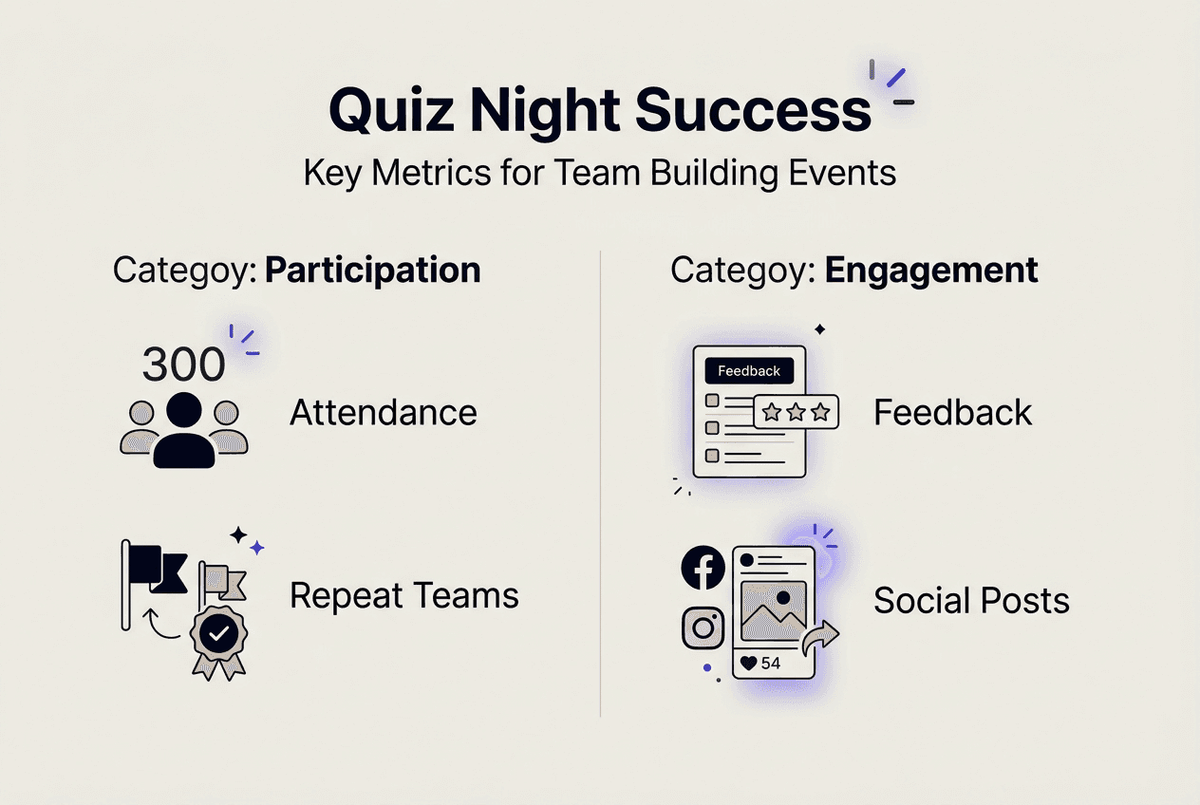
Capture feedback immediately after events when experiences remain fresh. Distribute brief surveys asking participants to rate enjoyment, engagement level, and perceived team-building value on simple scales. Include one open-ended question for qualitative insights. Response rates drop dramatically if you wait until the next day.
Track quantitative metrics across multiple events to identify trends. Monitor attendance rates, repeat participation percentages, and team composition diversity. Schedule events consistently, then track attendance and how many participants return for subsequent events. Low numbers signal needed adjustments.
Observe behavioral changes in workplace interactions following quiz nights. Do participants from different departments now chat more frequently? Have cross-functional project communications improved? These soft indicators often matter more than event-day satisfaction scores.
Team building can pay back through improved retention, productivity, and performance when implemented strategically. Calculate your costs per participant and compare against recruitment expenses for replacing disengaged employees. The math typically favors regular engagement investments.
Format comparison reveals surprising insights. While in-person events feel more engaging, virtual events cost less and are easier for people to join. Remote teams especially benefit from virtual quiz nights that create rare synchronous social time.
Avoid these common mistakes that undermine quiz night effectiveness:
- Inconsistent scheduling that prevents habit formation and reduces attendance
- Repetitive question content that bores returning participants
- Unclear scoring that creates fairness disputes and reduces trust
- Poor audio/visual setup that frustrates teams and disrupts flow
- Ignoring feedback that signals needed improvements
Refine your approach continuously using these optimization strategies:
- Rotate themes monthly to maintain novelty while establishing rhythm
- Monitor question difficulty by tracking answer rates and adjusting accordingly
- Maintain strict fairness in scoring and rule application to build credibility
- Publicize successes through internal communications to build momentum
- Survey non-participants to understand barriers preventing their involvement
Successful programs evolve based on participant preferences. Your first quiz night establishes baseline expectations. Subsequent events should incorporate lessons learned while maintaining core elements that worked well. Balance consistency with innovation.
Document what works through simple records noting attendance, winning scores, popular question categories, and participant comments. These notes become invaluable when planning future events or training new organizers. Institutional knowledge prevents repeating mistakes.
Consider expanding successful quiz nights into broader team motivation initiatives. Monthly events create anticipation and routine. Quarterly championship tournaments featuring top teams from regular events raise stakes and engagement. Annual celebrations incorporating quiz elements alongside other activities become cultural touchstones.
Measure long-term impact through employee engagement surveys, retention data, and productivity metrics. Organizations running consistent team-building programs report measurably higher scores across all three areas. While attributing causation proves difficult, correlation remains strong enough to justify continued investment.
Boost your corporate quiz nights with Quizado's expert tools
Planning engaging quiz nights becomes significantly easier with the right platform supporting your efforts. Quizado provides comprehensive quiz creation and management tools specifically designed for corporate team-building events. The platform handles everything from question design to real-time scoring, letting you focus on facilitating great experiences rather than managing logistics.
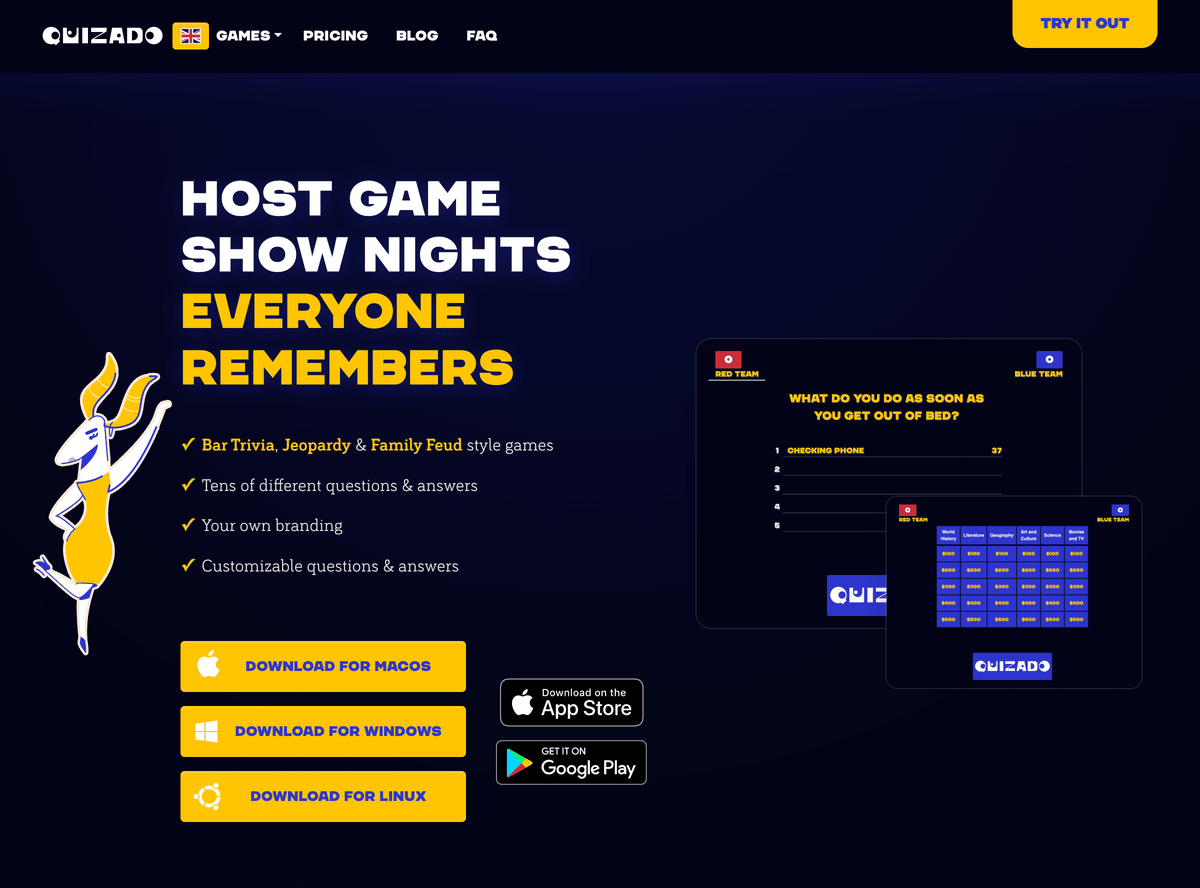
Quizado's features address common pain points that plague DIY quiz nights. Automated scoring eliminates disputes and saves time. Customizable branding reinforces your company culture. Engagement tracking shows which question types resonate most with your teams. The platform works seamlessly whether you're hosting engaging quizzes in conference rooms or coordinating virtual events across time zones.
Explore helpful resources in Quizado's blog covering everything from basic setup to advanced facilitation techniques. The interactive quiz planning guide walks you through designing events that maximize participation and deliver measurable team-building outcomes. Visit Quizado today to streamline your planning process and elevate your next corporate quiz night beyond what manual approaches can achieve.
Frequently asked questions
What types of quiz formats work best for corporate teams?
Classic mixed quizzes covering diverse categories like history, pop culture, science, and sports offer broad appeal because every participant contributes knowledge from different domains. Themed quizzes focusing on specific topics like 1990s music or company history create deeper engagement but risk excluding team members lacking expertise in that area. Interactive rounds incorporating multimedia elements, physical challenges, or creative tasks maintain energy levels when attention spans begin flagging during longer events. Choose formats based on your team's interests and event goals, rotating styles across multiple quiz nights to maintain novelty.
How can virtual quiz nights be as effective as in-person events?
Virtual platforms using video conferencing and interactive quiz tools replicate live engagement through features like breakout rooms for team discussion, real-time leaderboards, and chat-based banter. Virtual events remove travel costs and time barriers, and they make it easier for distributed teams to take part. Success requires intentional design including shorter round durations, more frequent breaks, and enhanced visual elements to compensate for reduced physical presence. Strong facilitation and reliable technology prove essential for maintaining energy and connection.
What are common mistakes to avoid when hosting corporate quiz nights?
Lack of preparation leads to awkward pauses, confusing questions, and technical failures that undermine credibility and engagement. Unclear or inconsistent scoring creates fairness disputes that poison atmosphere and reduce trust in future events. Poor pacing either rushes teams through questions before they can discuss answers or drags between rounds until energy dissipates completely. Repetitive content bores returning participants and signals you don't value their time enough to create fresh experiences. Address these issues through thorough planning, clear communication, and continuous improvement based on participant feedback.
How many people should be on each quiz team?
Teams of four to six people optimize participation and collaboration without becoming unwieldy. Smaller teams of two or three force every member to contribute but reduce knowledge diversity and increase pressure on individuals. Larger teams of seven or more allow some participants to disengage while others dominate discussions. Four to six creates the sweet spot where everyone can contribute meaningfully, diverse knowledge gets leveraged, and natural conversation flows. For very large corporate events, consider multiple teams of this size competing simultaneously rather than creating oversized groups that dilute individual engagement and team-building benefits.
Recommended
Turn these ideas into a team event
Prepare an office quiz or remote game with a shared screen, phone participation and a host on your team.