How trivia boosts retention for event success in 2026
Trivia is not just a fun icebreaker. It is a scientifically validated tool that activates memory pathways, releases motivation-enhancing neurotransmitters, and builds lasting mental connections. For event organizers and venue managers, understanding how trivia leverages active recall and gamification can transform casual attendees into loyal participants. This guide reveals the neuroscience behind trivia's retention power and provides actionable strategies to design events that keep audiences coming back. By integrating evidence-based trivia techniques, you can drive attendance, strengthen engagement, and create memorable experiences that stand out in a crowded hospitality market.
Table of Contents
- The Science Behind Trivia And Memory Retention
- How Gamification And Interactive Elements Boost Engagement In Trivia Events
- Designing Trivia Events That Maximize Retention And Attendance
- Measuring The Impact: Tracking Retention And Engagement After Trivia Events
- Discover Interactive Trivia Solutions To Elevate Your Events
- Frequently Asked Questions
Key takeaways
| Point | Details |
|---|---|
| Active recall strengthens memory | Trivia forces participants to retrieve information, which reinforces neural pathways and improves long-term retention. |
| Dopamine drives motivation | Correct answers trigger dopamine release, creating pleasure and encouraging repeat participation. |
| Gamification amplifies engagement | Points, badges, and progress tracking transform trivia into a rewarding experience that sustains interest. |
| Interactive elements increase challenge | Timed questions, team play, and varied difficulty keep participants mentally engaged and entertained. |
| Measurable metrics guide improvement | Tracking attendance, feedback, and retention data helps organizers refine future trivia events. |
The science behind trivia and memory retention
Trivia works because it activates a cognitive process called active recall. Unlike passive learning where information is simply reviewed, active recall requires the brain to retrieve stored knowledge. This retrieval process strengthens the neural pathways associated with that information, making it easier to remember in the future. Participants who engaged in frequent recall-based activities improved long-term retention by up to 30%, demonstrating the measurable impact of retrieval practice on memory.
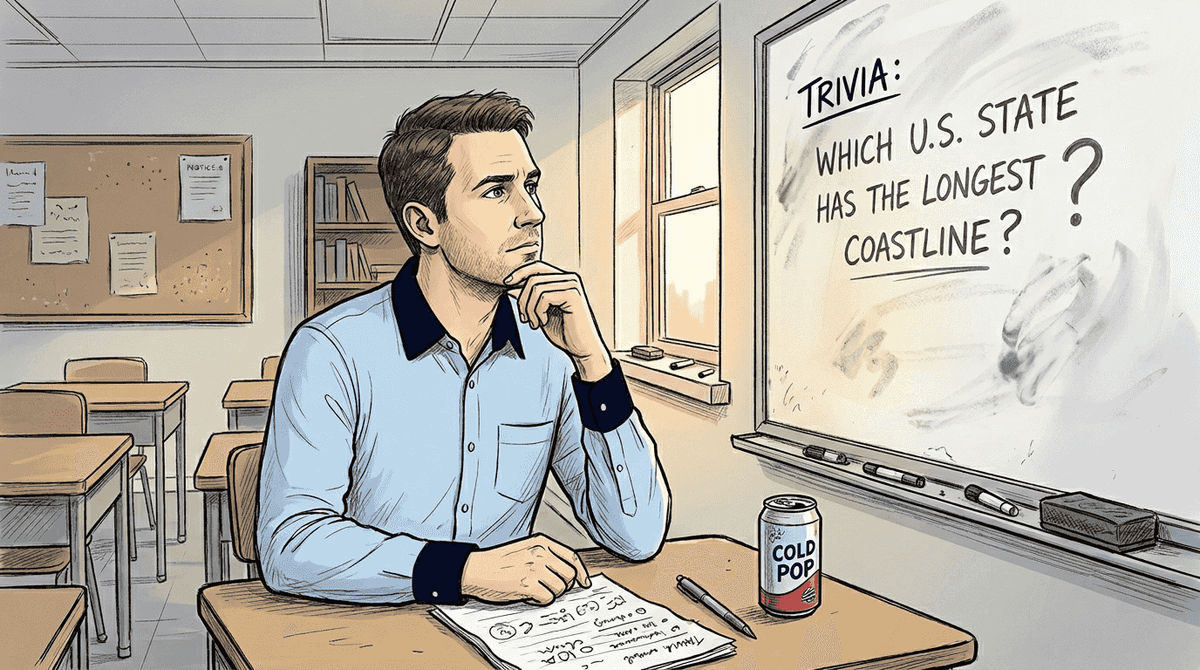
When someone answers a trivia question correctly, the brain releases dopamine, a neurotransmitter associated with pleasure and motivation. This chemical reward creates a positive feedback loop that encourages participants to keep playing. The dopamine surge not only makes trivia enjoyable but also reinforces the memory of the correct answer, linking the information to a pleasurable experience. For event organizers, this means trivia naturally motivates attendees to return for future events.
Trivia also enhances mental flexibility by challenging participants to think across different categories and difficulty levels. This cognitive variety exercises multiple brain regions, improving overall mental agility. Research shows that adults who regularly engage in trivia or puzzle activities maintain stronger reasoning skills and memory function over time. For venues, offering quizzes for enhancing memory can position your events as both entertaining and cognitively beneficial.
Meta-analyses confirm that retrieval practice is effective across all age groups and formats. Whether delivered digitally or on paper, the core mechanism of active recall remains powerful. The key is consistent engagement and thoughtful question design that balances challenge with accessibility. By understanding these neuroscience principles, event organizers can design trivia nights that deliver genuine cognitive benefits alongside entertainment value.
Pro Tip: Mix easy warm-up questions with progressively harder challenges to keep participants engaged without overwhelming them. This approach maintains dopamine flow and prevents frustration.
How gamification and interactive elements boost engagement in trivia events
Gamification transforms trivia from a simple quiz into a rewarding experience that motivates repeat participation. By incorporating game design elements like points, badges, leaderboards, and progress tracking, organizers create a sense of achievement and competition. Apps like Quizified use gamification such as points, badges, and progress tracking to further boost motivation, showing how digital tools can enhance traditional trivia formats.
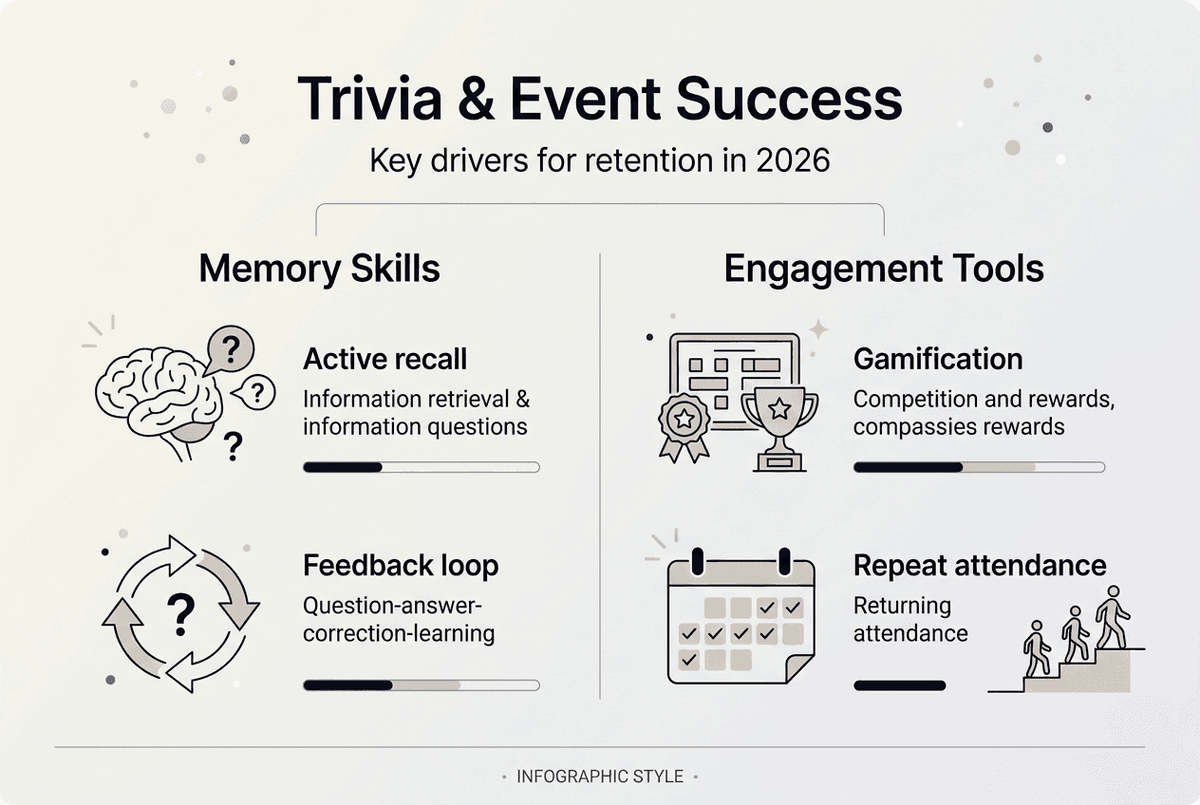
These gamified elements trigger intrinsic motivation by providing clear goals and immediate feedback. When participants see their scores climb or earn a badge for answering a streak of questions correctly, they experience a sense of accomplishment that encourages continued engagement. This psychological reward system is particularly effective in workplace settings, where gamification in the workplace has been shown to increase employee participation and team cohesion.
Interactive components add another layer of engagement by increasing the mental challenge and fun factor. Timed questions create urgency, forcing participants to think quickly and stay focused. Team-based play introduces social dynamics, encouraging collaboration and friendly competition. These elements make trivia more dynamic than passive entertainment, keeping participants mentally active throughout the event. For corporate organizers, integrating these strategies into employee engagement process steps can transform routine training into memorable learning experiences.
Varied difficulty levels and diverse question categories are essential for maintaining broad appeal. A trivia night that only covers obscure topics or extremely difficult questions will alienate casual participants. Conversely, questions that are too easy fail to challenge and engage experienced players. The sweet spot is a balanced mix that allows everyone to contribute while still providing moments of genuine challenge. This approach ensures that both trivia novices and experts find value in attending your events.
- Points and leaderboards create visible competition that drives participation
- Badges and achievements provide tangible rewards for consistent engagement
- Timed rounds add urgency and keep energy levels high
- Team play encourages social interaction and collaboration
- Varied categories ensure broad appeal across different interests
Pro Tip: Rotate question categories each week to attract different audience segments. A music trivia night one week followed by sports or pop culture the next keeps your event calendar fresh and encourages repeat attendance.
Designing trivia events that maximize retention and attendance
Creating a trivia event that drives both retention and attendance requires strategic planning and attention to participant experience. Follow these steps to design events that leverage trivia's cognitive benefits while building a loyal audience.
- Define your target audience and choose themes that resonate with their interests.
- Select a consistent schedule, such as weekly or bi-weekly, to build routine attendance.
- Balance question difficulty to accommodate both newcomers and regulars.
- Incorporate interactive elements like team play, timed rounds, or multimedia questions.
- Promote your event through social media, email lists, and in-venue signage.
- Collect feedback after each event to refine future trivia nights.
Traditional pub quizzes often rely on pen-and-paper formats with general knowledge questions. While effective, they lack the dynamic engagement that themed trivia nights with interactive technology can provide. Themed events, such as music trivia with integrated karaoke or decade-specific pop culture nights, create unique experiences that attract larger crowds. Music trivia nights with integrated karaoke create unique experiences that attract over 70 people per event, demonstrating the power of combining trivia with complementary activities.
| Event Type | Engagement Level | Setup Complexity | Typical Attendance |
|---|---|---|---|
| Traditional pub quiz | Moderate | Low | 20 to 40 participants |
| Themed trivia night | High | Moderate | 40 to 80 participants |
| Interactive digital trivia | Very high | Moderate to high | 60 to 100+ participants |
| Hybrid trivia with activities | Very high | High | 70 to 120+ participants |
Integrating complementary activities amplifies engagement by creating a multi-dimensional experience. For example, a music trivia night that includes karaoke rounds between question sets keeps energy high and gives participants multiple ways to engage. Similarly, team challenges that require physical interaction or creative problem-solving add variety and prevent monotony. These hybrid formats are particularly effective for venues looking to differentiate their offerings in competitive markets.
Consistency is crucial for building a loyal trivia audience. When participants know that trivia happens every Tuesday at 7 PM, they can plan their schedules accordingly and develop a routine around attending. This predictability also allows you to refine your format based on regular feedback, gradually improving the experience. For detailed guidance on creating engaging interactive events, explore our interactive game hosting guide.
Pro Tip: Offer small prizes or recognition for top performers to increase competitive motivation. Even simple rewards like gift cards or free drinks can significantly boost participation and repeat attendance.
Measuring the impact: tracking retention and engagement after trivia events
To understand whether your trivia events are achieving retention and engagement goals, you need to track key performance indicators (KPIs) that reveal participant behavior and satisfaction. Measuring these metrics allows you to refine your approach and demonstrate the value of trivia to stakeholders or venue owners.
Start by monitoring attendance rates and repeat visitor percentages. If the same participants return week after week, your trivia night is successfully building loyalty. Track first-time attendees separately to understand how well your promotional efforts are working. Adults participating in weekly trivia or puzzle activities maintained stronger short-term memory and reasoning skills over three years compared with controls, showing that consistent engagement delivers measurable cognitive benefits that can be communicated to participants.
| Metric | Measurement Method | Target Benchmark |
|---|---|---|
| Repeat attendance rate | Track individual participants across events | 40% or higher returning weekly |
| Average attendance growth | Compare monthly attendance figures | 10 to 15% month-over-month growth |
| Participant satisfaction score | Post-event surveys with 1 to 5 scale | Average score of 4.0 or higher |
| Social media engagement | Likes, shares, comments on event posts | 5 to 10% engagement rate |
| Question difficulty rating | Participant feedback on challenge level | 3.5 to 4.0 on 1 to 5 scale |
Participant feedback is invaluable for understanding what works and what needs improvement. Use short post-event surveys to gather opinions on question difficulty, event pacing, and overall enjoyment. Digital apps and platforms make this process seamless by allowing participants to submit feedback directly from their phones. This data helps you adjust difficulty levels, refine question categories, and improve the overall experience.
Linking retention improvements to ongoing engagement requires consistent data collection over multiple events. Look for patterns in attendance spikes or drops, and correlate them with specific changes you made to the format. For example, if introducing a music round led to a 20% attendance increase, you know that category resonates with your audience. For corporate event organizers, tracking these metrics can demonstrate the ROI of trivia as a team-building tool. Learn more about measuring engagement in corporate trivia events engagement.
- Monitor repeat attendance to gauge loyalty and retention success
- Use post-event surveys to collect actionable feedback on difficulty and enjoyment
- Track social media engagement to measure promotional effectiveness
- Compare attendance trends over time to identify successful format changes
- Leverage digital tools to automate data collection and analysis
Understanding retrieval practice learning principles can also help you design better measurement strategies. By aligning your metrics with cognitive science, you can assess not just attendance but also the actual learning and retention outcomes your trivia events deliver. This deeper level of analysis positions your events as valuable experiences that go beyond simple entertainment.
Discover interactive trivia solutions to elevate your events
Ready to transform your trivia nights into unforgettable experiences that drive retention and attendance? Quizado offers an extensive library of professionally crafted trivia questions designed to engage diverse audiences. Our platform features customizable quizzes, themed rounds, and progress tracking that make hosting seamless and effective. Whether you are running a weekly pub quiz or a corporate team-building event, Quizado's ready-made content saves you prep time while delivering the interactive elements that keep participants coming back.
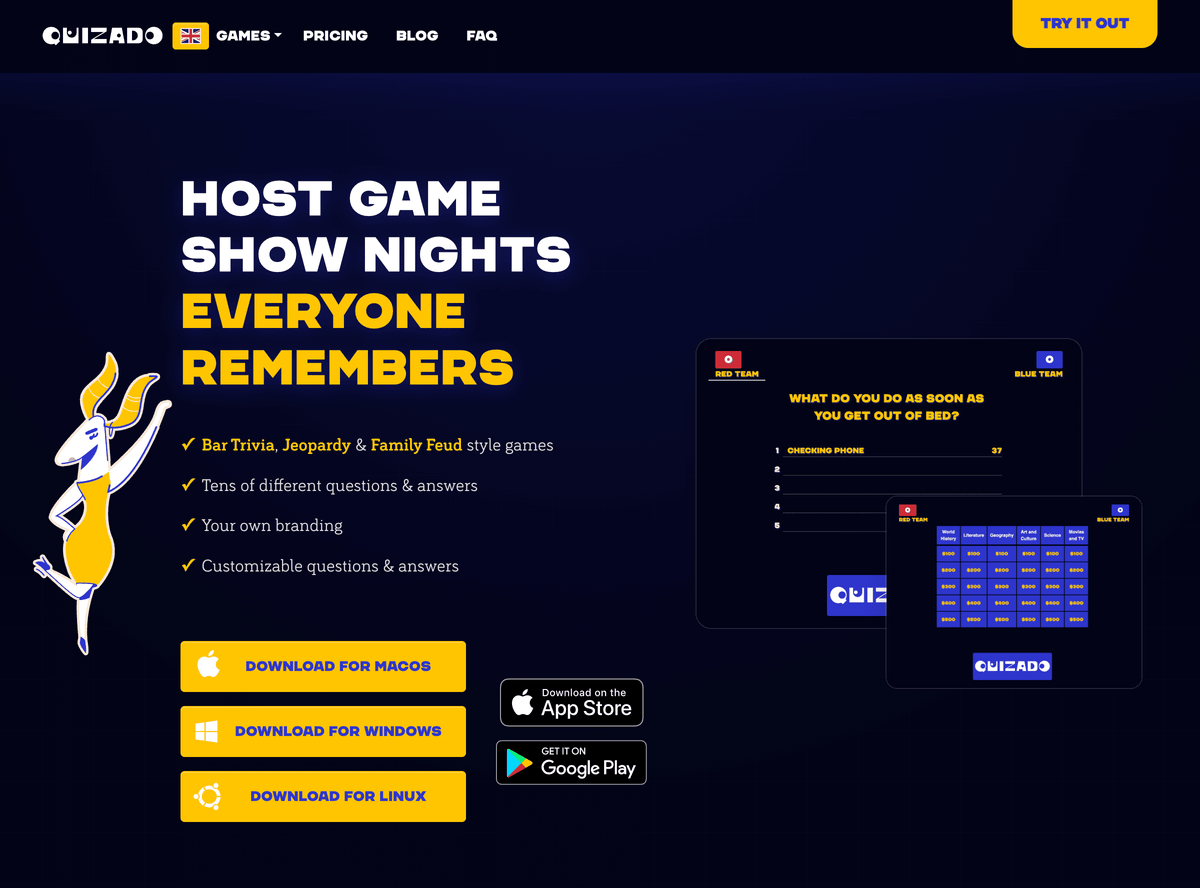
Explore our top survey answers trivia for game show-style questions that spark competition and laughter. Dive into interactive trivia questions that challenge participants across multiple categories and difficulty levels. Or discover dynamic trivia content that adapts to your audience's interests and keeps every event fresh. With Quizado, you gain access to over 500 hours of content and the tools to create custom questions that reflect your brand and audience preferences.
Pro Tip: Quizado runs every game on its servers, so a reload or a device switch keeps the night going; in venues with unreliable WiFi, keep a mobile hotspot ready for the players. This ensures smooth gameplay and prevents technical disruptions that can frustrate participants and harm retention.
Frequently asked questions
How does trivia specifically improve memory retention?
Trivia leverages active recall, a cognitive process where the brain retrieves stored information rather than passively reviewing it. This retrieval strengthens neural pathways, making the information easier to remember in the future. When participants answer correctly, dopamine release creates a positive association that further reinforces the memory, linking knowledge to a pleasurable experience.
What are the best gamification techniques to use in trivia events?
Points, badges, and leaderboards create visible competition and reward achievement, motivating participants to return and improve their performance. Progress tracking allows players to see their improvement over time, building a sense of accomplishment. Timed rounds add urgency, while varied difficulty levels ensure that both beginners and experts remain engaged throughout the event.
How can venues measure the success of their trivia nights?
Track repeat attendance rates to gauge loyalty, aiming for at least 40% of participants returning regularly. Use post-event surveys to collect feedback on question difficulty, pacing, and overall enjoyment. Monitor social media engagement and attendance growth month-over-month to assess promotional effectiveness and identify trends that indicate successful format changes.
Can low-tech trivia still effectively boost retention?
Yes, the core mechanism of active recall works regardless of the technology used to deliver trivia. Pen-and-paper formats can be just as effective as digital platforms for strengthening memory pathways. The key is consistent engagement, thoughtful question design that balances challenge with accessibility, and regular scheduling that builds routine participation and familiarity with the trivia format.
Recommended
Host a quiz with your group
Find a hosting setup for your venue, company, classroom or activity group.

Bring your group together for a game
Try a free starter game, then choose the format and plan for your group.
Trusted by 5,000+ hosts